
The Mediterranean-Suez Canal shipping route is one of the world’s busiest and most strategic east-west intercontinental container shipping lanes. It connects the Far East, Southeast Asia, the Middle East, the Red Sea, the Mediterranean Sea and
major European ports. Serving as the shortest maritime passage between Asia and Europe, this route greatly shortens sailing distances compared with the alternative Cape of Good Hope route around southern Africa.
Large volumes of manufactured goods, electronic products, textiles, machinery, chemical raw materials, food and refrigerated cargo are transported via this
corridor. It supports bilateral trade between China, ASEAN countries, Gulf nations and the European Union, and also handles feeder shipments to North Africa and Eastern Mediterranean coastal states.
The complete voyage is divided into four key segments:
1. Far East to Red Sea Section
Vessels depart from major Chinese ports (Shanghai, Ningbo, Shenzhen, Qingdao, Tianjin), ports in Southeast Asia (Singapore, Port Kelang, Laem Chabang), then sail west across the Indian Ocean to Gulf of Aden and the northern Red Sea.
2. Suez Canal Transit Section
Ships arrive at Port Said (Mediterranean entrance) and Suez Port (Red Sea entrance). The Suez Canal cuts through Egypt, eliminating the thousands of nautical miles needed to bypass the Cape of Good Hope. Vessels must book transit slots in advance and pay canal tolls based on tonnage. Two-way convoys operate daily under fixed schedules.
3. Mediterranean Main Lane
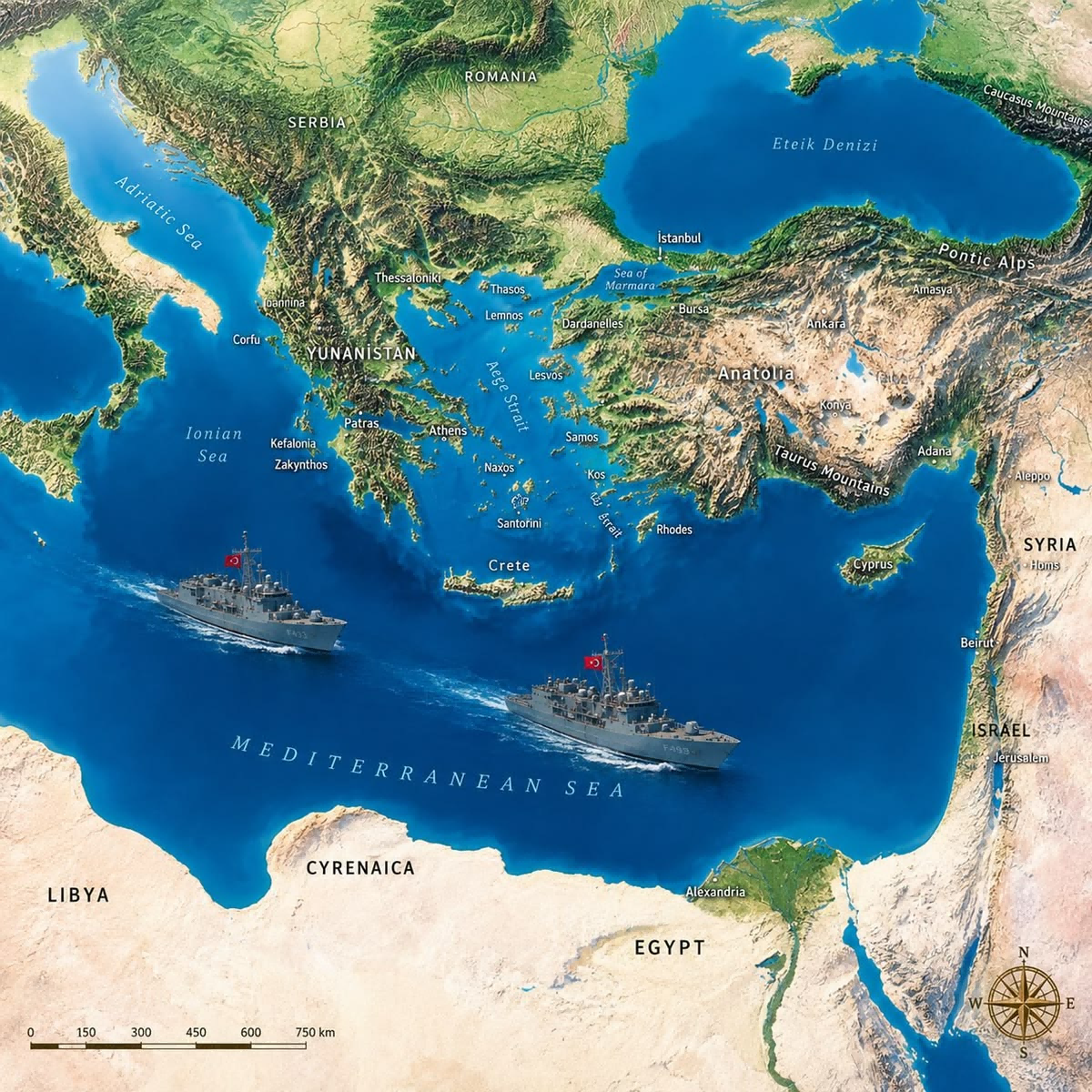
After exiting Port Said, vessels travel west across the Mediterranean. The route splits into two branches:
* West Mediterranean branch: calling at Malta, Genoa, Marseille, Barcelona, Valencia
* East Mediterranean branch: stopping at Piraeus, Istanbul, Alexandria, Beirut
4. Feeder & Northern Europe Extension
Mother vessels unload containers at Mediterranean hub ports; small feeder ships carry cargo northward through the Strait of Gibraltar to reach Northern Europe ports including Rotterdam, Hamburg, Le Havre and Felixstowe.
2. Core Ports & Main Shipping Lines
| Route Segment | Key Loading Ports | Major Discharge Hubs | Top Carriers | Typical Transit Time |
|---|---|---|---|---|
| Far East – Suez – West Mediterranean | Shanghai, Ningbo, Shenzhen, Singapore, Bangkok | Marseille, Genoa, Barcelona, Valencia | COSCO, MSC, Maersk, CMA CGM, Hapag-Lloyd, ONE | 22–28 days China to West Med |
| Far East – Suez – East Mediterranean | Shanghai, Xiamen, Port Kelang | Piraeus, Istanbul, Alexandria, Haifa | MSC, COSCO, CMA CGM, Maersk | 20–26 days China to East Med |
| Med – Northern Europe Feeder | All Mediterranean hub ports | Rotterdam, Hamburg, Antwerp, Felixstowe | All major liner subsidiaries | 4–7 days within Mediterranean to North Europe |
| Red Sea Regional Branch | Asian main ports | Jeddah, Sokhna, Aqaba | MSC, Maersk, COSCO, CMA CGM | 16–22 days China to Red Sea ports |
1. Shorter distance: Saves 7,000–10,000 nautical miles and 7–10 sailing days versus rounding the Cape of Good Hope.
2. Lower fuel consumption and fewer extra vessel operation costs.
3. Stable weekly liner schedules for time-sensitive European retail and manufacturing supplies.
4. Dense hub port network covers all EU, North African and Middle Eastern markets in one voyage.
1. Canal capacity constraints: Peak seasons see vessel queuing and waiting delays.
2. Fixed Suez Canal transit tolls increase overall logistics costs.
3. Geopolitical risks in the Red Sea and Gulf of Aden may force temporary route diversions.
4. Draft restrictions limit ultra-large container vessels from full transit capacity.
1. Export cargo from Asia to Europe: Home appliances, consumer electronics, garments, furniture, auto spare parts, cross-border e-commerce parcels, solar equipment.
2. Import cargo from Europe/Africa back to Asia: Luxury goods, industrial machinery, chemical materials, agricultural products, wine, metal ores, refrigerated meat and seafood.
3. Regional intra-Mediterranean cargo: Local food, building materials, small-batch retail replenishment for North African countries.
1. Obvious seasonal fluctuation: Peak shipping demand occurs from July to November, before European holiday shopping seasons, pushing up freight rates and canal waiting times. January to April is the traditional off-season with lower ocean freight.
2. Strict canal management: All vessels need pre-registration, tonnage inspection and timely payment of tolls; oversized or dangerous goods require special approval.
3. Diversified intermodal transport: Major Mediterranean hubs (Piraeus, Marseille, Genoa) connect with European railway and highway networks for door-to-door delivery across the EU mainland.
4. Security risks: Piracy threats historically existed in the Gulf of Aden; regional conflicts occasionally cause shipping companies to suspend Suez transits and switch to the Cape route temporarily.
The Mediterranean-Suez Canal route remains the primary trade artery linking Asia and Europe. Its unrivaled time advantage supports mass containerized trade between manufacturing Asia and consumption-driven Europe. Although affected by canal capacity limits, toll fees and periodic regional security risks, no alternative waterway can replace its efficiency for mainstream liner services. For Chinese import and export enterprises, this route is the standard choice for shipments bound for EU, Mediterranean and Middle Eastern markets.
The Mediterranean-Suez Canal shipping route is one of the world’s busiest and most strategic east-west intercontinental container shipping lanes. It connects the Far East, Southeast Asia, the Middle East, the Red Sea, the Mediterranean Sea and
major European ports. Serving as the shortest maritime passage between Asia and Europe, this route greatly shortens sailing distances compared with the alternative Cape of Good Hope route around southern Africa.
Large volumes of manufactured goods, electronic products, textiles, machinery, chemical raw materials, food and refrigerated cargo are transported via this
corridor. It supports bilateral trade between China, ASEAN countries, Gulf nations and the European Union, and also handles feeder shipments to North Africa and Eastern Mediterranean coastal states.
The complete voyage is divided into four key segments:
1. Far East to Red Sea Section
Vessels depart from major Chinese ports (Shanghai, Ningbo, Shenzhen, Qingdao, Tianjin), ports in Southeast Asia (Singapore, Port Kelang, Laem Chabang), then sail west across the Indian Ocean to Gulf of Aden and the northern Red Sea.
2. Suez Canal Transit Section
Ships arrive at Port Said (Mediterranean entrance) and Suez Port (Red Sea entrance). The Suez Canal cuts through Egypt, eliminating the thousands of nautical miles needed to bypass the Cape of Good Hope. Vessels must book transit slots in advance and pay canal tolls based on tonnage. Two-way convoys operate daily under fixed schedules.
3. Mediterranean Main Lane
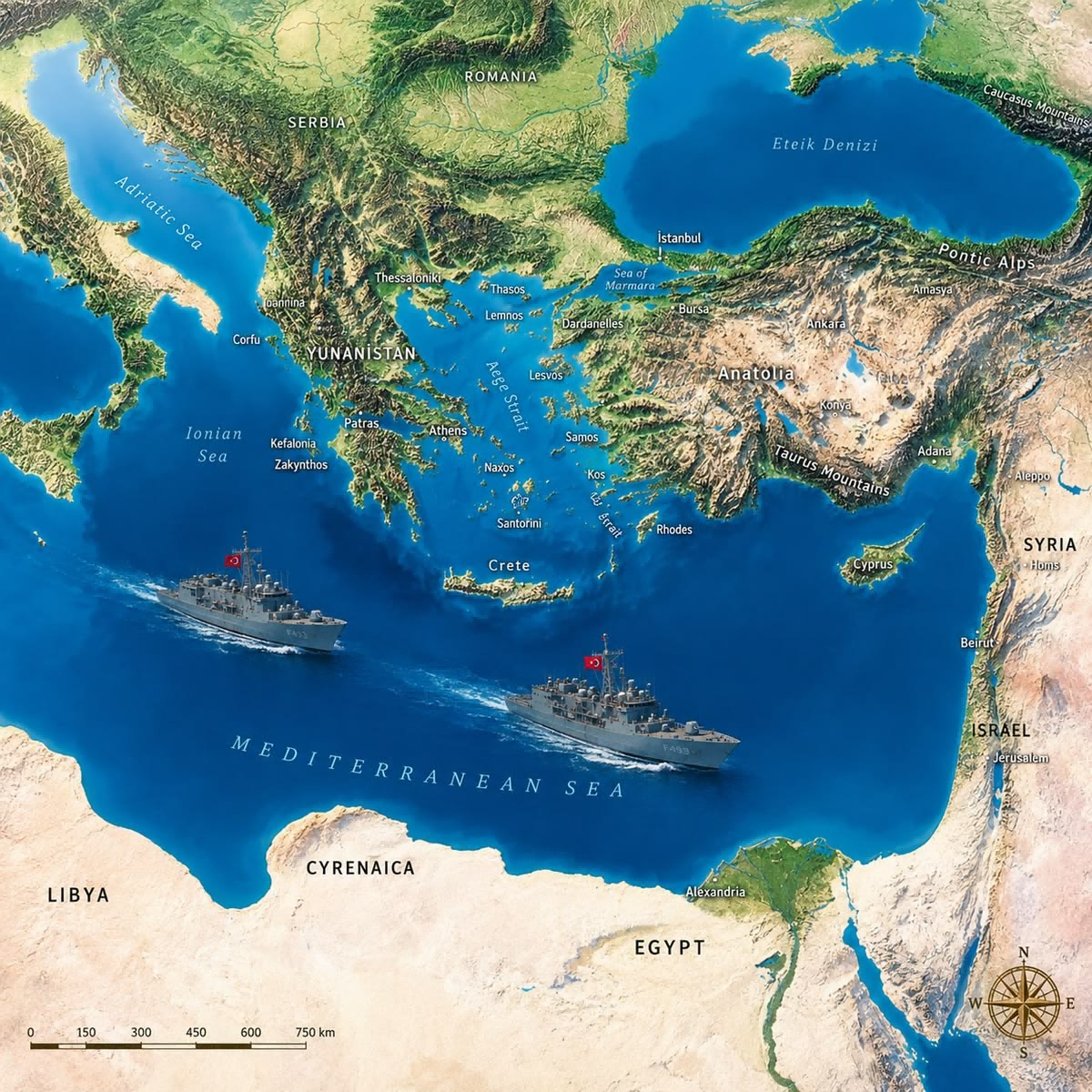
After exiting Port Said, vessels travel west across the Mediterranean. The route splits into two branches:
* West Mediterranean branch: calling at Malta, Genoa, Marseille, Barcelona, Valencia
* East Mediterranean branch: stopping at Piraeus, Istanbul, Alexandria, Beirut
4. Feeder & Northern Europe Extension
Mother vessels unload containers at Mediterranean hub ports; small feeder ships carry cargo northward through the Strait of Gibraltar to reach Northern Europe ports including Rotterdam, Hamburg, Le Havre and Felixstowe.
2. Core Ports & Main Shipping Lines
| Route Segment | Key Loading Ports | Major Discharge Hubs | Top Carriers | Typical Transit Time |
|---|---|---|---|---|
| Far East – Suez – West Mediterranean | Shanghai, Ningbo, Shenzhen, Singapore, Bangkok | Marseille, Genoa, Barcelona, Valencia | COSCO, MSC, Maersk, CMA CGM, Hapag-Lloyd, ONE | 22–28 days China to West Med |
| Far East – Suez – East Mediterranean | Shanghai, Xiamen, Port Kelang | Piraeus, Istanbul, Alexandria, Haifa | MSC, COSCO, CMA CGM, Maersk | 20–26 days China to East Med |
| Med – Northern Europe Feeder | All Mediterranean hub ports | Rotterdam, Hamburg, Antwerp, Felixstowe | All major liner subsidiaries | 4–7 days within Mediterranean to North Europe |
| Red Sea Regional Branch | Asian main ports | Jeddah, Sokhna, Aqaba | MSC, Maersk, COSCO, CMA CGM | 16–22 days China to Red Sea ports |
1. Shorter distance: Saves 7,000–10,000 nautical miles and 7–10 sailing days versus rounding the Cape of Good Hope.
2. Lower fuel consumption and fewer extra vessel operation costs.
3. Stable weekly liner schedules for time-sensitive European retail and manufacturing supplies.
4. Dense hub port network covers all EU, North African and Middle Eastern markets in one voyage.
1. Canal capacity constraints: Peak seasons see vessel queuing and waiting delays.
2. Fixed Suez Canal transit tolls increase overall logistics costs.
3. Geopolitical risks in the Red Sea and Gulf of Aden may force temporary route diversions.
4. Draft restrictions limit ultra-large container vessels from full transit capacity.
1. Export cargo from Asia to Europe: Home appliances, consumer electronics, garments, furniture, auto spare parts, cross-border e-commerce parcels, solar equipment.
2. Import cargo from Europe/Africa back to Asia: Luxury goods, industrial machinery, chemical materials, agricultural products, wine, metal ores, refrigerated meat and seafood.
3. Regional intra-Mediterranean cargo: Local food, building materials, small-batch retail replenishment for North African countries.
1. Obvious seasonal fluctuation: Peak shipping demand occurs from July to November, before European holiday shopping seasons, pushing up freight rates and canal waiting times. January to April is the traditional off-season with lower ocean freight.
2. Strict canal management: All vessels need pre-registration, tonnage inspection and timely payment of tolls; oversized or dangerous goods require special approval.
3. Diversified intermodal transport: Major Mediterranean hubs (Piraeus, Marseille, Genoa) connect with European railway and highway networks for door-to-door delivery across the EU mainland.
4. Security risks: Piracy threats historically existed in the Gulf of Aden; regional conflicts occasionally cause shipping companies to suspend Suez transits and switch to the Cape route temporarily.
The Mediterranean-Suez Canal route remains the primary trade artery linking Asia and Europe. Its unrivaled time advantage supports mass containerized trade between manufacturing Asia and consumption-driven Europe. Although affected by canal capacity limits, toll fees and periodic regional security risks, no alternative waterway can replace its efficiency for mainstream liner services. For Chinese import and export enterprises, this route is the standard choice for shipments bound for EU, Mediterranean and Middle Eastern markets.
Popular Articles

Categories
Share


The latest blogs and insights on what is happening in international transport and logistics.

The best freight forwarder in China who helps to optimize your global transportation with the best possible logistics solution.
