
The Cape of Good Hope route refers to the ocean lane that vessels sail southward along the African coast, round the Cape of Good Hope at the southern tip of Africa to connect Asia and Europe. It serves as an alternative to the Suez Canal-Mediterranean route.
In the age of large container ships, bulk carriers and super oil tankers, this route has irreplaceable value. Ultra-large vessels with deep drafts cannot pass the Suez Canal due to water depth restrictions and must take the Cape route. Besides, when the Suez Canal is blocked, congested or facing regional security risks, most shipping lines will divert ships to the Cape of Good Hope as a backup solution. This lane transports huge volumes of crude oil, ore, grain, and large batches of general container cargo between the Far East, Southeast Asia, Middle East, Europe and the east coast of South America.
1. Asia to East Africa Section
Ships depart from China’s main ports (Shanghai, Ningbo, Shenzhen, Qingdao, Tianjin) and Southeast Asian hubs (Singapore, Port Kelang, Laem Chabang), crossing the Indian Ocean and calling at ports on the eastern coast of Africa such as Mombasa, Dar es Salaam and Durban.
2. Cape Transit Section
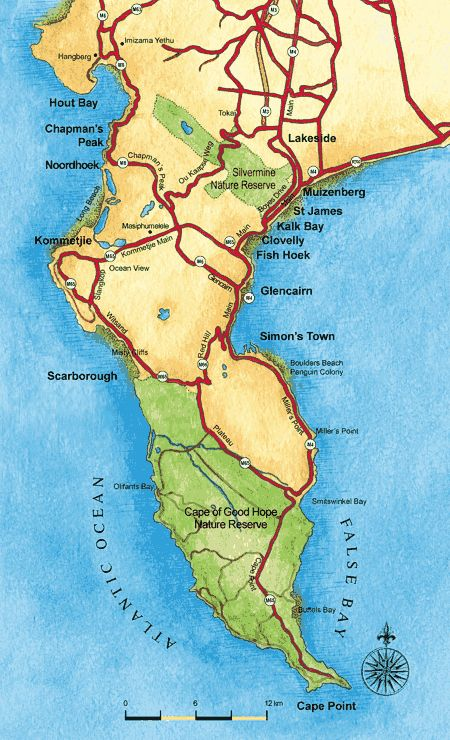
Vessels continue south along the African coastline, passing the Cape of Good Hope into the Atlantic Ocean. This stretch features rough sea conditions with strong westerly winds and large waves all year round, bringing higher risks of hull wear and longer sailing time.
3. Atlantic Branch Routes
After rounding the Cape, the route splits into two directions:
* Northbound lane: Sailing north along the west coast of Africa to reach major European ports including Rotterdam, Hamburg, Le Havre, Felixstowe and Barcelona.
* Westbound lane: Crossing the Atlantic to serve east coast ports of South America like Santos and Rio de Janeiro.
| Route Branch | Main Loading Ports | Discharge Hub Ports | Suitable Vessel Types | One-way Transit Time (China to Europe) |
|---|---|---|---|---|
| Far East – Cape – Northern Europe | Shanghai, Ningbo, Shenzhen, Singapore | Rotterdam, Hamburg, Antwerp, Felixstowe | Ultra-large container ships, VLCC oil tankers, bulk carriers | 32–40 days |
| Far East – Cape – West Africa | Main Chinese ports, Singapore | Lagos, Tema, Abidjan | Medium container ships, bulk cargo vessels | 28–35 days |
| Far East – Cape – East South America | Shanghai, Xiamen, Port Kelang | Santos, Rio de Janeiro, Buenos Aires | Large container ships, ore carriers | 35–42 days |
1. No draft limitation: There is no water depth restriction like the Suez Canal, allowing the passage of VLCC super oil tankers, giant ore carriers and 24,000+ TEU ultra-large container vessels.
2. No canal tolls: Shipping companies do not need to pay expensive Suez Canal transit fees, cutting fixed navigation costs for bulk cargo.
3. Strong emergency backup capacity: When the Suez Canal is blocked, congested or Red Sea security risks arise, it is the only reliable alternative intercontinental waterway.
4. Rich resource cargo support: It covers major ore, grain and oil exporting areas in southern Africa, meeting Asia’s demand for energy and mineral raw materials.
1. Much longer sailing distance: The Cape route adds about 7,000–10,000 nautical miles compared with the Suez route, extending shipping time by 7–12 days.
2. Higher fuel cost: Extra voyage distance leads to greater fuel consumption, increasing overall logistics expenses for time-sensitive container goods.
3. Harsher navigation environment: The Cape of Good Hope area is famous for stormy weather, huge waves and strong currents, which increase maintenance costs and risks of cargo damage.
4. Fewer liner frequencies: Most carriers only deploy Cape services during Suez Canal crises; regular weekly fixed sailings are far less common than Suez-Mediterranean lines.
1. Energy & bulk raw materials (core cargo): Crude oil from the Middle East, iron ore, manganese ore, coal and grain from South Africa and Australia. These goods are mostly carried by bulk carriers and super tankers that cannot transit the Suez Canal.
2. General container goods: Machinery, construction materials, low-timeliness furniture and daily necessities, usually diverted to this route when the Suez Canal is unavailable.
3. African local export goods: Fruit, seafood, minerals exported from southern and western Africa to Asia and Europe.
.png "Cape of Good Hope Shipping Route (1).png")
1. Regular transportation of ultra-large bulk vessels: Super oil tankers and ore carriers permanently adopt the Cape route due to Suez draft limits.
2. Emergency diversion under regional risks: When conflicts or attacks occur in the Red Sea/Gulf of Aden, liners suspend Suez transits and reroute via the Cape of Good Hope.
3. Seasonal cost adjustment: For low-value, non-urgent bulk goods, some shippers choose the Cape route to save canal tolls when ocean freight rates soar.
4. Trade with southern Africa and east South America: Direct service to these markets relies mainly on the Cape lane.
The Cape of Good Hope route is a vital supplementary and emergency shipping corridor between Asia and Europe. Although it has obvious drawbacks of long transit time and high fuel consumption, its unique capacity for ultra-large vessels and independence from canal passage make it irreplaceable in global bulk commodity logistics. For Chinese foreign trade enterprises, this route is mainly used for super-sized bulk cargo transport and emergency detour plans, while the Suez-Mediterranean route remains the primary choice for time-sensitive container shipments to the European market.
The Cape of Good Hope route refers to the ocean lane that vessels sail southward along the African coast, round the Cape of Good Hope at the southern tip of Africa to connect Asia and Europe. It serves as an alternative to the Suez Canal-Mediterranean route.
In the age of large container ships, bulk carriers and super oil tankers, this route has irreplaceable value. Ultra-large vessels with deep drafts cannot pass the Suez Canal due to water depth restrictions and must take the Cape route. Besides, when the Suez Canal is blocked, congested or facing regional security risks, most shipping lines will divert ships to the Cape of Good Hope as a backup solution. This lane transports huge volumes of crude oil, ore, grain, and large batches of general container cargo between the Far East, Southeast Asia, Middle East, Europe and the east coast of South America.
1. Asia to East Africa Section
Ships depart from China’s main ports (Shanghai, Ningbo, Shenzhen, Qingdao, Tianjin) and Southeast Asian hubs (Singapore, Port Kelang, Laem Chabang), crossing the Indian Ocean and calling at ports on the eastern coast of Africa such as Mombasa, Dar es Salaam and Durban.
2. Cape Transit Section
Vessels continue south along the African coastline, passing the Cape of Good Hope into the Atlantic Ocean. This stretch features rough sea conditions with strong westerly winds and large waves all year round, bringing higher risks of hull wear and longer sailing time.
3. Atlantic Branch Routes
After rounding the Cape, the route splits into two directions:
* Northbound lane: Sailing north along the west coast of Africa to reach major European ports including Rotterdam, Hamburg, Le Havre, Felixstowe and Barcelona.
* Westbound lane: Crossing the Atlantic to serve east coast ports of South America like Santos and Rio de Janeiro.
| Route Branch | Main Loading Ports | Discharge Hub Ports | Suitable Vessel Types | One-way Transit Time (China to Europe) |
|---|---|---|---|---|
| Far East – Cape – Northern Europe | Shanghai, Ningbo, Shenzhen, Singapore | Rotterdam, Hamburg, Antwerp, Felixstowe | Ultra-large container ships, VLCC oil tankers, bulk carriers | 32–40 days |
| Far East – Cape – West Africa | Main Chinese ports, Singapore | Lagos, Tema, Abidjan | Medium container ships, bulk cargo vessels | 28–35 days |
| Far East – Cape – East South America | Shanghai, Xiamen, Port Kelang | Santos, Rio de Janeiro, Buenos Aires | Large container ships, ore carriers | 35–42 days |
1. No draft limitation: There is no water depth restriction like the Suez Canal, allowing the passage of VLCC super oil tankers, giant ore carriers and 24,000+ TEU ultra-large container vessels.
2. No canal tolls: Shipping companies do not need to pay expensive Suez Canal transit fees, cutting fixed navigation costs for bulk cargo.
3. Strong emergency backup capacity: When the Suez Canal is blocked, congested or Red Sea security risks arise, it is the only reliable alternative intercontinental waterway.
4. Rich resource cargo support: It covers major ore, grain and oil exporting areas in southern Africa, meeting Asia’s demand for energy and mineral raw materials.
1. Much longer sailing distance: The Cape route adds about 7,000–10,000 nautical miles compared with the Suez route, extending shipping time by 7–12 days.
2. Higher fuel cost: Extra voyage distance leads to greater fuel consumption, increasing overall logistics expenses for time-sensitive container goods.
3. Harsher navigation environment: The Cape of Good Hope area is famous for stormy weather, huge waves and strong currents, which increase maintenance costs and risks of cargo damage.
4. Fewer liner frequencies: Most carriers only deploy Cape services during Suez Canal crises; regular weekly fixed sailings are far less common than Suez-Mediterranean lines.
1. Energy & bulk raw materials (core cargo): Crude oil from the Middle East, iron ore, manganese ore, coal and grain from South Africa and Australia. These goods are mostly carried by bulk carriers and super tankers that cannot transit the Suez Canal.
2. General container goods: Machinery, construction materials, low-timeliness furniture and daily necessities, usually diverted to this route when the Suez Canal is unavailable.
3. African local export goods: Fruit, seafood, minerals exported from southern and western Africa to Asia and Europe.
1. Regular transportation of ultra-large bulk vessels: Super oil tankers and ore carriers permanently adopt the Cape route due to Suez draft limits.
2. Emergency diversion under regional risks: When conflicts or attacks occur in the Red Sea/Gulf of Aden, liners suspend Suez transits and reroute via the Cape of Good Hope.
3. Seasonal cost adjustment: For low-value, non-urgent bulk goods, some shippers choose the Cape route to save canal tolls when ocean freight rates soar.
4. Trade with southern Africa and east South America: Direct service to these markets relies mainly on the Cape lane.
The Cape of Good Hope route is a vital supplementary and emergency shipping corridor between Asia and Europe. Although it has obvious drawbacks of long transit time and high fuel consumption, its unique capacity for ultra-large vessels and independence from canal passage make it irreplaceable in global bulk commodity logistics. For Chinese foreign trade enterprises, this route is mainly used for super-sized bulk cargo transport and emergency detour plans, while the Suez-Mediterranean route remains the primary choice for time-sensitive container shipments to the European market.
Popular Articles

Categories
Share


The latest blogs and insights on what is happening in international transport and logistics.

The best freight forwarder in China who helps to optimize your global transportation with the best possible logistics solution.
