

Freight Consolidation is the process where a carrier or a shipping company combines multiple smaller shipments into one full container or truckload.
Ideally, freight consolidation benefits both the carrier and the shipper. In the case of the carrier, it helps to reduce the cost of shipment and speed up the delivery of goods. And for the shipper with a smaller shipment, he would not have to pay for a full container transport.
How Freight Consolidation Helps Streamline Your Shipment?
Freight consolidation shipping not only lowers costs but also enhances logistics efficiency, controllability, and sustainability, resulting in long-term value for procurement, warehousing, and transportation.
1. Cost saving: By sharing container or truck space, businesses save money by not paying for unused space and getting discounts on bulk shipping rates. They get the benefit of a full truckload at a less-than-truckload shipping price.
2. Increases the efficiency of transport: By maximizing container or vehicle space, freight consolidation reduces resource waste and increases transport efficiency.
3. Improved delivery stability: The reduction of the number of cargoes simplifies coordination processes, mitigates the risk of delays, and enhances delivery stability.
4. Simplified customs clearance: Consolidated packages clear customs as a single shipment, saving time and lowering risk.
5. Lower risk of cargo damage: Freight Consolidation shipping reduces the number of loading and unloading operations en route, which helps reduce the probability of cargo damage or loss.
Types of freight consolidation
Freight consolidation operates across a variety of transportation modes, each of which offers distinct advantages depending on shipment characteristics, the deadline, and the destination.
1. Ocean freight consolidation
Container sharing for sea freight enables small and medium companies to enter international markets without committing to full container loads. Ocean carriers and freight forwarders consolidate compatible shipments bound for similar destination ports, making international trade accessible to smaller exporters and importers.
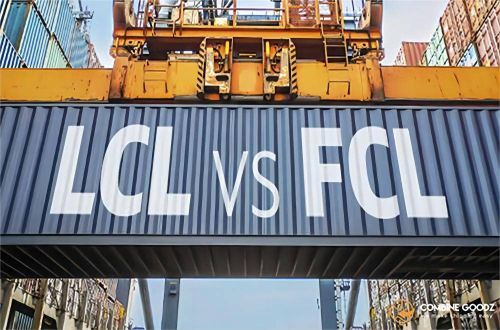
a. LCL freight consolidation: Multiple LCL shipments from various shippers to fill a full container load. The shipping cost is mostly calculated based on the cargo's volume or weight.
b. FCL freight consolidation: A single customer or supplier can have a full container shipment exclusively, which is ideal for large volumes of goods, improves transportation security, and simplifies operations.
2. Air freight consolidation
Air freight consolidation works best for high-value, urgent cargo that doesn’t require immediate next-day delivery but still needs faster transit than ocean or ground transport can offer.
It optimizes expensive air transport capacity by grouping shipments that require fast delivery. The consolidated airfreight can maximize aircraft cargo space usage while offering cost savings compared to individual air freight shipments or individual couriers.

How Freight Consolidation Works?
1. Collection of Shipments: Freight consolidation begins when multiple shipments are picked up from various shippers or suppliers.
2. Centralized Consolidation Point: Following collection, the shipments are driven to a distribution hub or consolidation center. This center is where goods are sorted, arranged, and combined into full containers or truckloads. The procedure is very well-organized and considers each shipment's particular requirements, type of goods, and destination.
3. Optimal Arrangement and Packing: At the consolidation center, goods are packed and arranged to maximize space in the container or truck. Well-organized loading helps reduce costs, as more goods can be transported at once, lowering the transport cost per-unit. Moreover, special attention is taken for fragile or temperature-sensitive items to prevent damage.
4. Transportation to Destination: Once consolidated, the freight is transported to its destination using a full container load or full truckload method. Since the container or truck is fully loaded, there are fewer pauses, making the shipping process faster and more efficient compared to LCL shipping. This shortens delivery delays, handling, and damage risk.
5. Deconsolidation at the Destination: Upon arrival at the destination, the consolidated freight is deconsolidated at another distribution hub. Shipments are now divided and sent to their individual recipients. The local carriers will handle the final leg of the trip to ensure timely deliveries.

What are the challenges of freight consolidation?
Collecting the consolidated cargo can take longer because the goods come from different locations. It can be challenging to coordinate with several suppliers, and a shipment delay might have an impact on the entire container. Some goods may not be suitable for LCL shipping, and customs issues may also cause delays.
Who can do freight consolidation for you?
While the benefits of freight consolidation are obvious, tackling logistics can be overwhelming, especially for inexperienced startups. This is where teaming up with an experienced freight forwarder is helpful.
At Combinegoodz, we provide comprehensive shipping services and solutions, tailored to importers, manufacturers, wholesalers, and e-commerce businesses. Our extensive experience and deep expertise, along with a tight collaboration approach, ensure the prompt receipt, shipment, and safe handling.
Freight Consolidation is the process where a carrier or a shipping company combines multiple smaller shipments into one full container or truckload.
Ideally, freight consolidation benefits both the carrier and the shipper. In the case of the carrier, it helps to reduce the cost of shipment and speed up the delivery of goods. And for the shipper with a smaller shipment, he would not have to pay for a full container transport.
How Freight Consolidation Helps Streamline Your Shipment?
Freight consolidation shipping not only lowers costs but also enhances logistics efficiency, controllability, and sustainability, resulting in long-term value for procurement, warehousing, and transportation.
1. Cost saving: By sharing container or truck space, businesses save money by not paying for unused space and getting discounts on bulk shipping rates. They get the benefit of a full truckload at a less-than-truckload shipping price.
2. Increases the efficiency of transport: By maximizing container or vehicle space, freight consolidation reduces resource waste and increases transport efficiency.
3. Improved delivery stability: The reduction of the number of cargoes simplifies coordination processes, mitigates the risk of delays, and enhances delivery stability.
4. Simplified customs clearance: Consolidated packages clear customs as a single shipment, saving time and lowering risk.
5. Lower risk of cargo damage: Freight Consolidation shipping reduces the number of loading and unloading operations en route, which helps reduce the probability of cargo damage or loss.
Types of freight consolidation
Freight consolidation operates across a variety of transportation modes, each of which offers distinct advantages depending on shipment characteristics, the deadline, and the destination.
1. Ocean freight consolidation
Container sharing for sea freight enables small and medium companies to enter international markets without committing to full container loads. Ocean carriers and freight forwarders consolidate compatible shipments bound for similar destination ports, making international trade accessible to smaller exporters and importers.
a. LCL freight consolidation: Multiple LCL shipments from various shippers to fill a full container load. The shipping cost is mostly calculated based on the cargo's volume or weight.
b. FCL freight consolidation: A single customer or supplier can have a full container shipment exclusively, which is ideal for large volumes of goods, improves transportation security, and simplifies operations.
2. Air freight consolidation
Air freight consolidation works best for high-value, urgent cargo that doesn’t require immediate next-day delivery but still needs faster transit than ocean or ground transport can offer.
It optimizes expensive air transport capacity by grouping shipments that require fast delivery. The consolidated airfreight can maximize aircraft cargo space usage while offering cost savings compared to individual air freight shipments or individual couriers.
How Freight Consolidation Works?
1. Collection of Shipments: Freight consolidation begins when multiple shipments are picked up from various shippers or suppliers.
2. Centralized Consolidation Point: Following collection, the shipments are driven to a distribution hub or consolidation center. This center is where goods are sorted, arranged, and combined into full containers or truckloads. The procedure is very well-organized and considers each shipment's particular requirements, type of goods, and destination.
3. Optimal Arrangement and Packing: At the consolidation center, goods are packed and arranged to maximize space in the container or truck. Well-organized loading helps reduce costs, as more goods can be transported at once, lowering the transport cost per-unit. Moreover, special attention is taken for fragile or temperature-sensitive items to prevent damage.
4. Transportation to Destination: Once consolidated, the freight is transported to its destination using a full container load or full truckload method. Since the container or truck is fully loaded, there are fewer pauses, making the shipping process faster and more efficient compared to LCL shipping. This shortens delivery delays, handling, and damage risk.
5. Deconsolidation at the Destination: Upon arrival at the destination, the consolidated freight is deconsolidated at another distribution hub. Shipments are now divided and sent to their individual recipients. The local carriers will handle the final leg of the trip to ensure timely deliveries.
What are the challenges of freight consolidation?
Collecting the consolidated cargo can take longer because the goods come from different locations. It can be challenging to coordinate with several suppliers, and a shipment delay might have an impact on the entire container. Some goods may not be suitable for LCL shipping, and customs issues may also cause delays.
Who can do freight consolidation for you?
While the benefits of freight consolidation are obvious, tackling logistics can be overwhelming, especially for inexperienced startups. This is where teaming up with an experienced freight forwarder is helpful.
At Combinegoodz, we provide comprehensive shipping services and solutions, tailored to importers, manufacturers, wholesalers, and e-commerce businesses. Our extensive experience and deep expertise, along with a tight collaboration approach, ensure the prompt receipt, shipment, and safe handling.
Popular Articles

Categories
Share


The latest blogs and insights on what is happening in international transport and logistics.

The best freight forwarder in China who helps to optimize your global transportation with the best possible logistics solution.
