
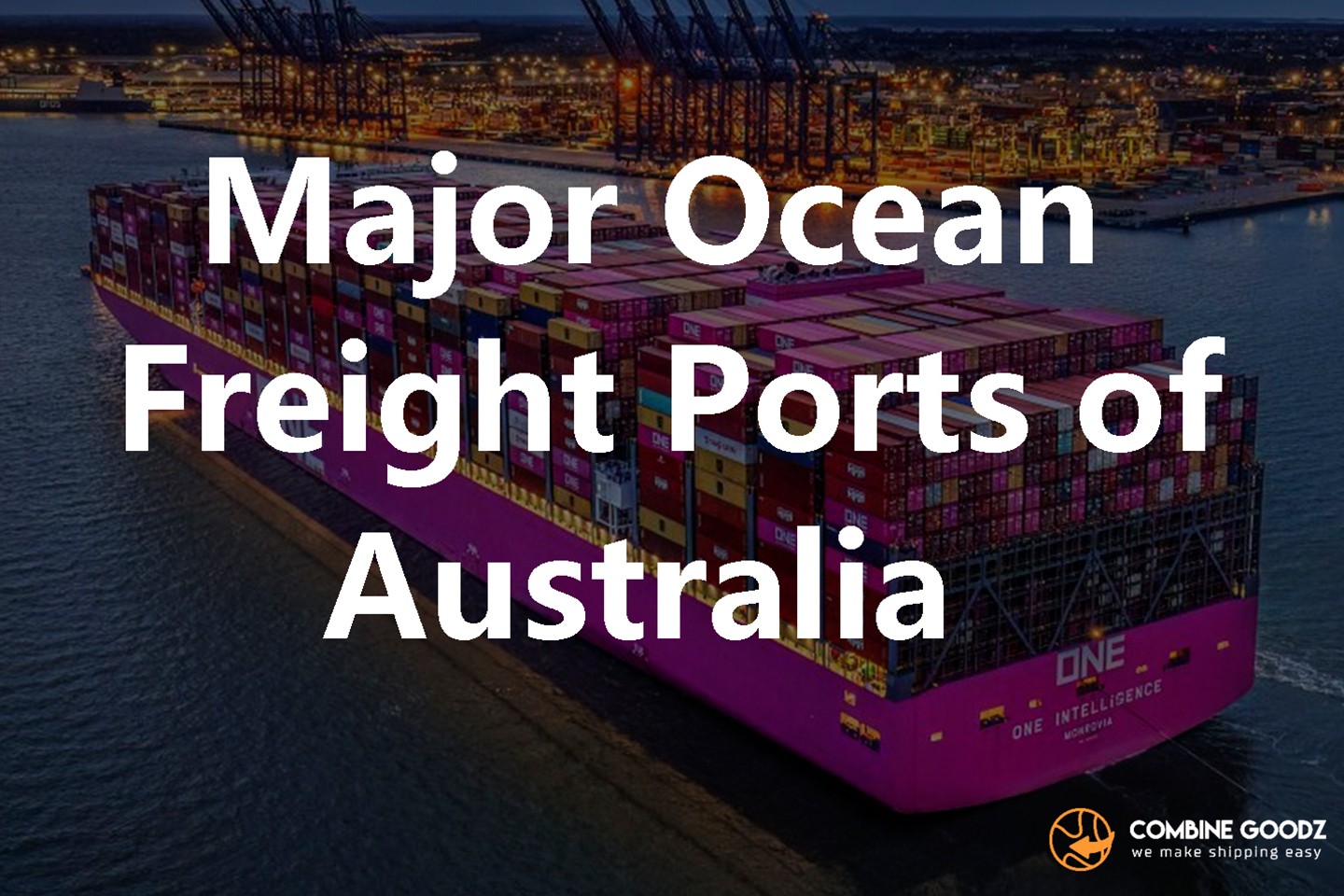
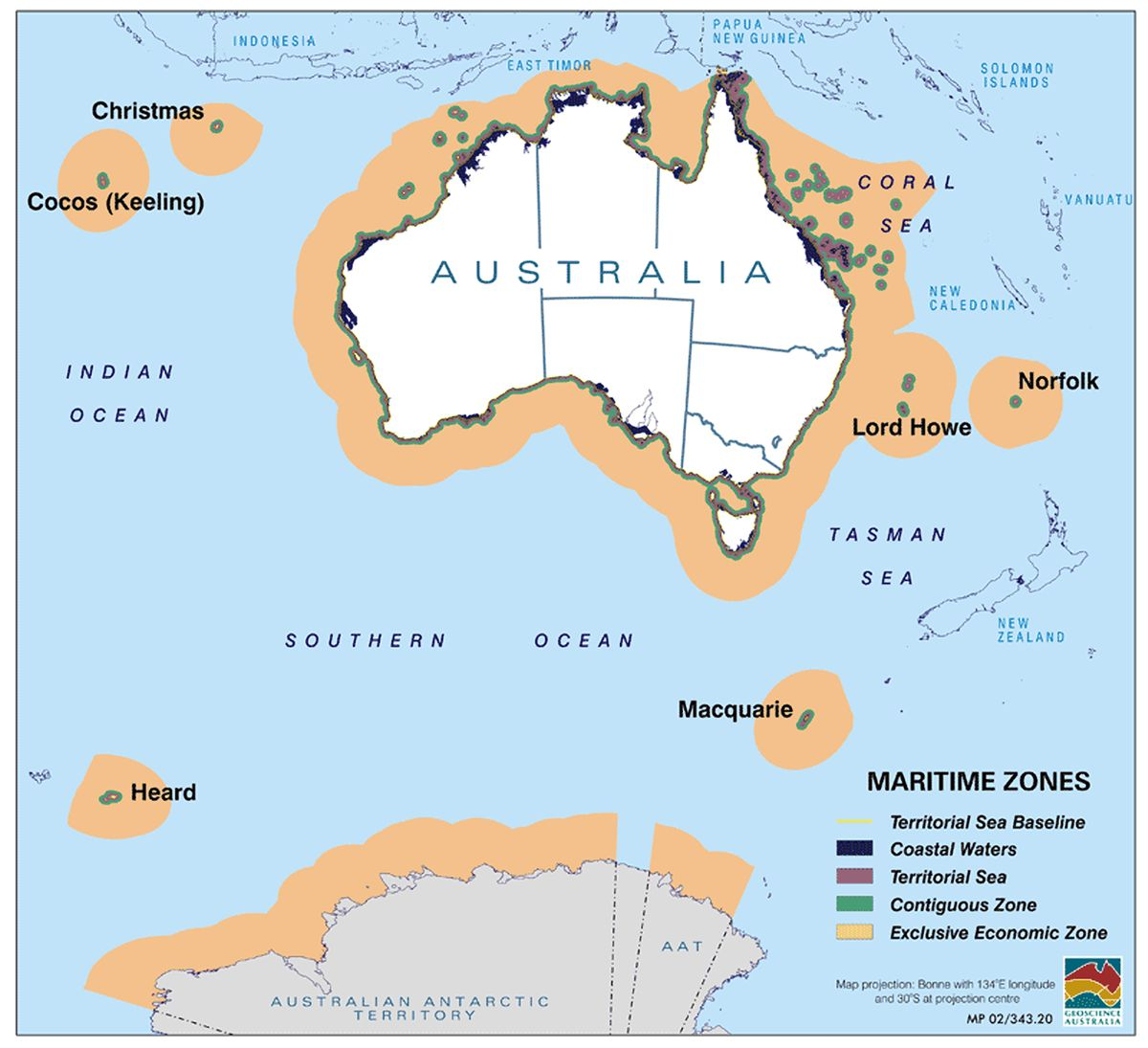
Australia is an island continent surrounded by the Indian and Pacific Oceans, relying entirely on maritime shipping for international import and export trade. Its ports are clearly divided into three major zones: East Coast Container Hubs, West Coast Bulk Mineral Ports, and Northern & Southern Regional Multi-purpose Ports.
East coast ports focus on containerized consumer goods, vehicles and agricultural imports/exports, connecting Australia with China, Southeast Asia, Europe and North America. West coast ports dominate global bulk mineral exports including iron ore, lithium and bauxite. Northern ports act as short-distance gateways linking Australia to ASEAN. All ports are equipped with deep-water berths, automated container terminals, bulk ore handling yards and cold-chain facilities for refrigerated cargo.
From China’s major ports (Shanghai, Ningbo, Shenzhen, Qingdao), transit time to Australian east coast ports is 18–26 days, while voyages to Western Australia’s Fremantle only take 16–22 days due to the shorter Indian Ocean route.
1. Classification & Core Information Table of Australia’s Key Ports
| Region | Port Name | Core Position | Annual Throughput Highlight | Main Import & Export Cargo | Target Market |
|---|---|---|---|---|---|
| East Coast Container Hub | Port of Melbourne (MEL) | Australia’s No.1 container port, Victoria gateway | 3.26 million TEU per year (37% of national container volume) | Imports: electronics, machinery, automobiles, furnitureExports: wheat, wool, beef, dairy, wine | South Australia, Victoria, Tasmania, China, EU |
| East Coast Container Hub | Port Botany (Sydney, SYD) | Second-largest container hub, New South Wales core | 2.8–3.5 million TEU yearly | Imports: retail goods, chemical products, construction materialsExports: grains, timber, processed food | Eastern Australia, US, Southeast Asia |
| East Coast Container Hub | Port of Brisbane (BNE) | Queensland’s largest multi-purpose port | 1.6 million TEU, fastest-growing container port | Imports: mining equipment, household appliancesExports: sugar, coal, livestock, tropical agricultural products | Northern NSW, Queensland, ASEAN |
| East Coast Bulk Port | Port of Newcastle | World’s top coal export port | 160 million tonnes of coal annually | Thermal coal, coking coal, aluminum, timber, grain | China, Japan, South Korea steel & power plants |
| West Coast Container Gateway | Port of Fremantle (PER) | Exclusive international container port for Western Australia | 810,000 TEU per year | Imports: vehicles, daily necessities, industrial suppliesExports: lithium concentrate, bauxite, live cattle, wine | Whole WA, Middle East, South China |
| West Coast Giant Bulk Port | Port Hedland | World’s largest iron ore export terminal | Over 520 million tonnes bulk cargo yearly | Iron ore, manganese, lithium salt, salt, LNG | China, Japan, South Korea steel mills |
| Southern Regional Port | Port of Adelaide | South Australia’s main logistics hub | 10 million tonnes annual total throughput | Grain, wool, wine, mineral ores, steel products | South Australia inland farms & mines |
| Northern Strategic Port | Port of Darwin | Australia’s northern gateway to Southeast Asia | Small-scale container & bulk cargo | Live stock, mineral concentrate, project cargo, seafood | Indonesia, Malaysia, Singapore |
| Queensland Energy Port | Port of Gladstone | Major LNG & coal export base | Large volume liquid & solid bulk | LNG, thermal coal, aluminum oxide | Asia energy importers |
Located at the mouth of Yarra River in Victoria, it handles more than one-third of Australia’s total container trade. It has complete inland rail links covering Melbourne metropolitan area, regional Victoria, South Australia and Tasmania. It is Australia’s primary automobile import port and a top exporter of high-value agricultural goods such as milk powder, red wine and frozen beef. Most direct weekly liner services depart from Shanghai, Ningbo and Shenzhen to Melbourne.
Sydney’s dedicated container terminal with 12 deep-water berths, serving Australia’s most populous state New South Wales. It receives massive retail consumer goods imported from Asia, and exports wheat, fruits and timber. Compared with Melbourne, Sydney has more frequent sailings to the United States and European ports.
Serves Queensland’s mining, agriculture and tourism industries. Its freight rates are usually lower than Melbourne and Sydney for shipments to northern Australia. It specializes in sugar, tropical fruits and live cattle exports to Southeast Asian countries.
Pure bulk commodity port without large container terminals. More than 90% of its throughput is thermal coal and coking coal from Hunter Valley mines, supplying Asian power stations and steel factories.
The only international container port for Western Australia. Sailing from South China ports to Fremantle saves nearly one week compared with east coast ports. It splits into inner harbour for containers and outer Kwinana harbour for oil, bauxite and bulk minerals. All cargo for Perth and Western Australian inland mines must discharge here.
The world’s biggest iron ore shipping hub operated by Pilbara Ports Authority. Giant bulk carriers over 400,000 DWT load iron ore directly for China’s iron and steel enterprises. Besides iron ore, it also ships lithium, manganese and salt, critical raw materials for new energy manufacturing. No regular container liner services are available here.
South Australia’s comprehensive port famous for grain and wine exports. It connects inland grain belts and wine production zones of Barossa Valley, widely used by Australian agricultural exporters.
Geographically closest to Southeast Asia, focusing on short-sea feeder trade with Indonesia, Singapore and Malaysia. It mainly transports live cattle, mineral concentrate and infrastructure project cargo for northern Australia mining projects.
1. Clear port selection logic
* For cargo delivered to Victoria, Tasmania, South NSW: Choose Melbourne or Sydney.
* For Queensland destinations: Select Brisbane to cut inland trucking cost.
* For Perth and Western Australia: Direct Fremantle service is mandatory; transshipping via east coast will generate huge extra land transport fees.
* Bulk mineral export vessels depart from Port Hedland and Newcastle to Asia.
2. Stable liner schedulesMajor carriers including COSCO, MSC, Maersk, ONE run weekly fixed direct services between China and Australian container ports. Peak shipping season falls between September–December before Australian Christmas shopping season.
3. Strict quarantine rulesAll Australian ports enforce extremely rigid biosecurity inspection. Wooden packaging, food, plant products and unprocessed raw materials face strict quarantine checks and may be detained or destroyed if unqualified.
4. Two-way cargo imbalanceChina mainly exports finished consumer goods, machinery and furniture to Australia; Australia exports agricultural products and mineral bulk cargo back to China, leading to occasional empty container shortages on return voyages.
Australia’s port system forms a clear labor division: east coast ports undertake container import and export for manufactured goods, west coast ports support massive mineral bulk exports, while southern and northern ports cover regional agricultural and ASEAN short-sea trade. For Chinese foreign trade enterprises, matching the destination city with the corresponding Australian port can effectively shorten transit time and reduce overall logistics cost.
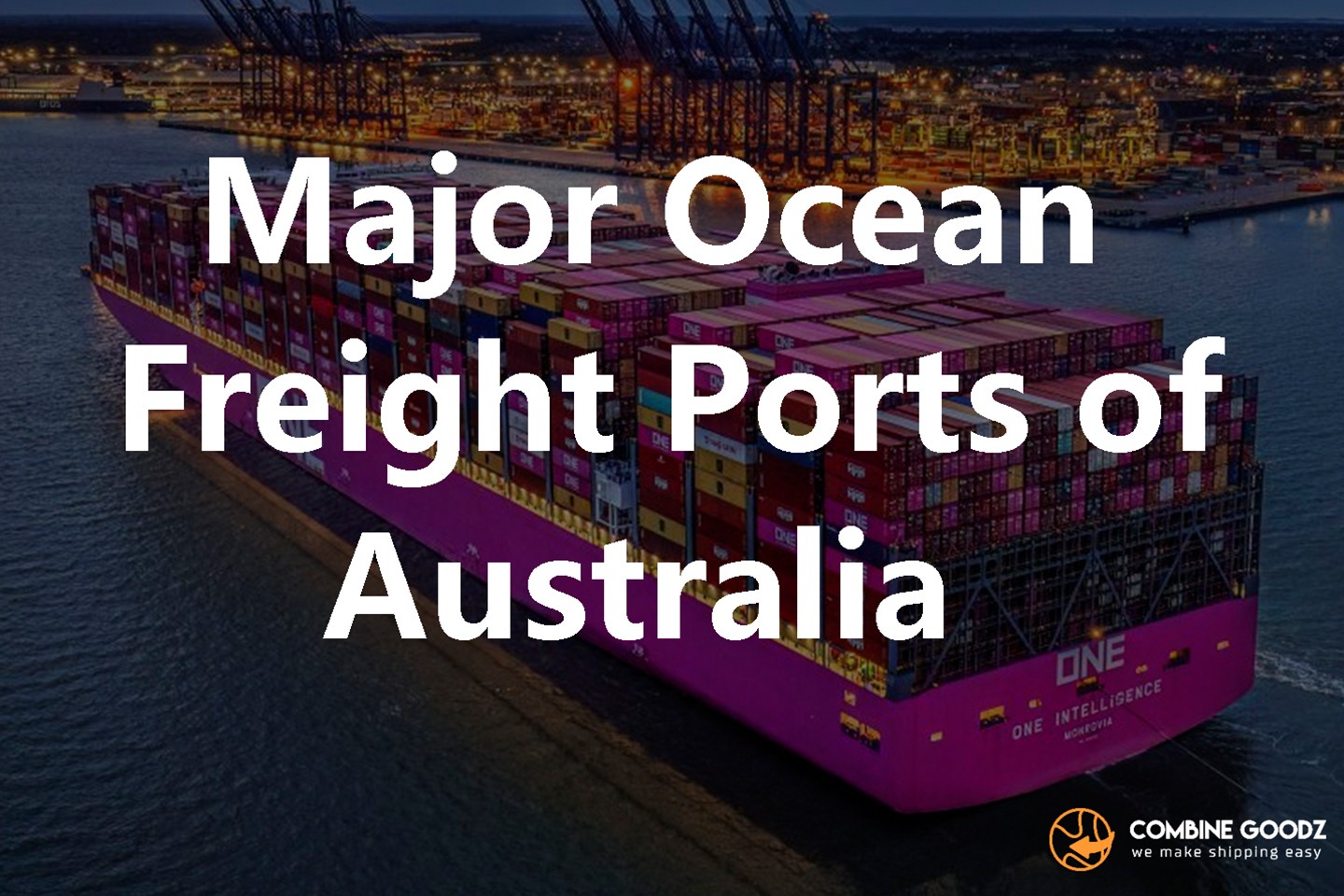
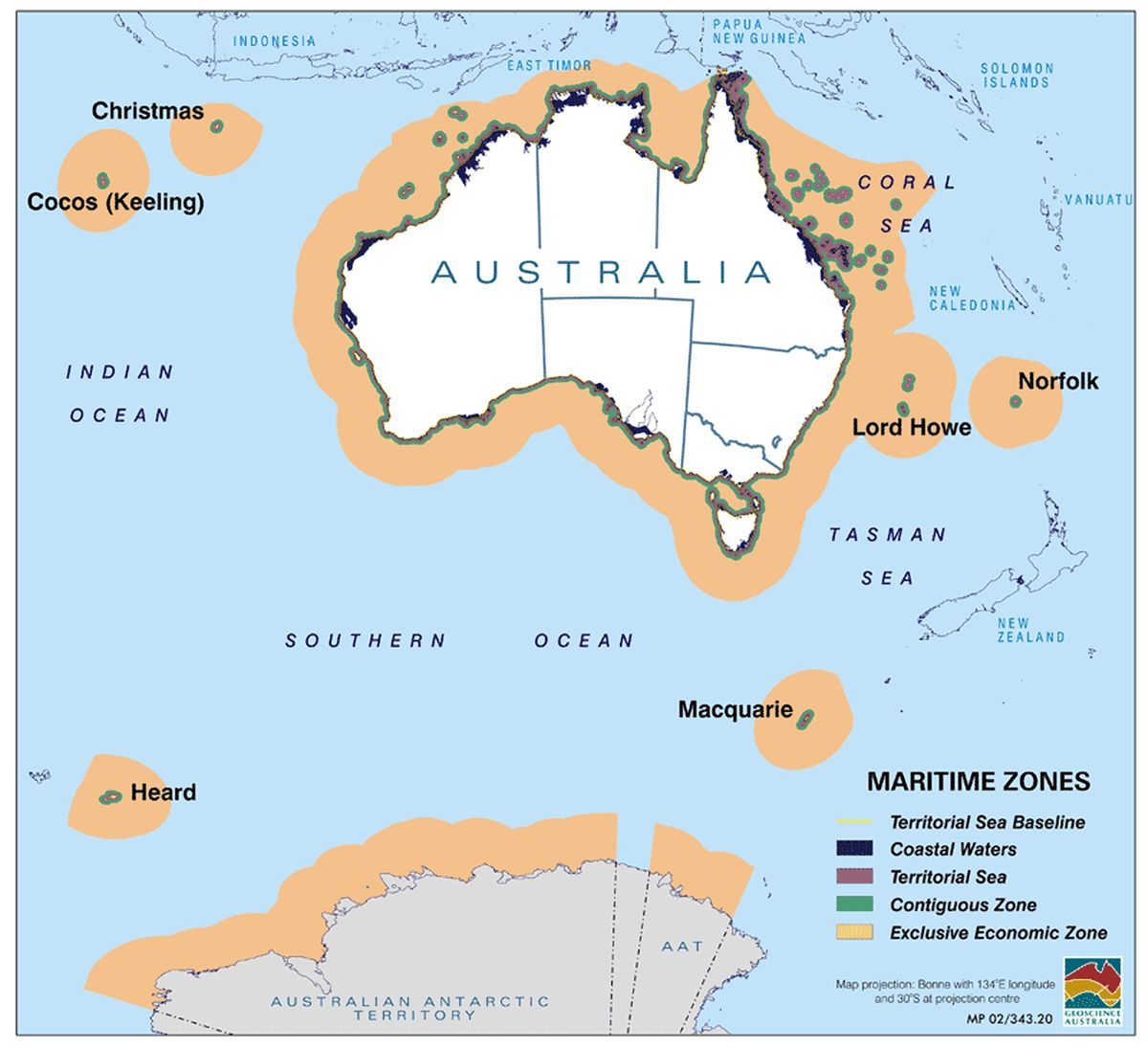
Australia is an island continent surrounded by the Indian and Pacific Oceans, relying entirely on maritime shipping for international import and export trade. Its ports are clearly divided into three major zones: East Coast Container Hubs, West Coast Bulk Mineral Ports, and Northern & Southern Regional Multi-purpose Ports.
East coast ports focus on containerized consumer goods, vehicles and agricultural imports/exports, connecting Australia with China, Southeast Asia, Europe and North America. West coast ports dominate global bulk mineral exports including iron ore, lithium and bauxite. Northern ports act as short-distance gateways linking Australia to ASEAN. All ports are equipped with deep-water berths, automated container terminals, bulk ore handling yards and cold-chain facilities for refrigerated cargo.
From China’s major ports (Shanghai, Ningbo, Shenzhen, Qingdao), transit time to Australian east coast ports is 18–26 days, while voyages to Western Australia’s Fremantle only take 16–22 days due to the shorter Indian Ocean route.
1. Classification & Core Information Table of Australia’s Key Ports
| Region | Port Name | Core Position | Annual Throughput Highlight | Main Import & Export Cargo | Target Market |
|---|---|---|---|---|---|
| East Coast Container Hub | Port of Melbourne (MEL) | Australia’s No.1 container port, Victoria gateway | 3.26 million TEU per year (37% of national container volume) | Imports: electronics, machinery, automobiles, furnitureExports: wheat, wool, beef, dairy, wine | South Australia, Victoria, Tasmania, China, EU |
| East Coast Container Hub | Port Botany (Sydney, SYD) | Second-largest container hub, New South Wales core | 2.8–3.5 million TEU yearly | Imports: retail goods, chemical products, construction materialsExports: grains, timber, processed food | Eastern Australia, US, Southeast Asia |
| East Coast Container Hub | Port of Brisbane (BNE) | Queensland’s largest multi-purpose port | 1.6 million TEU, fastest-growing container port | Imports: mining equipment, household appliancesExports: sugar, coal, livestock, tropical agricultural products | Northern NSW, Queensland, ASEAN |
| East Coast Bulk Port | Port of Newcastle | World’s top coal export port | 160 million tonnes of coal annually | Thermal coal, coking coal, aluminum, timber, grain | China, Japan, South Korea steel & power plants |
| West Coast Container Gateway | Port of Fremantle (PER) | Exclusive international container port for Western Australia | 810,000 TEU per year | Imports: vehicles, daily necessities, industrial suppliesExports: lithium concentrate, bauxite, live cattle, wine | Whole WA, Middle East, South China |
| West Coast Giant Bulk Port | Port Hedland | World’s largest iron ore export terminal | Over 520 million tonnes bulk cargo yearly | Iron ore, manganese, lithium salt, salt, LNG | China, Japan, South Korea steel mills |
| Southern Regional Port | Port of Adelaide | South Australia’s main logistics hub | 10 million tonnes annual total throughput | Grain, wool, wine, mineral ores, steel products | South Australia inland farms & mines |
| Northern Strategic Port | Port of Darwin | Australia’s northern gateway to Southeast Asia | Small-scale container & bulk cargo | Live stock, mineral concentrate, project cargo, seafood | Indonesia, Malaysia, Singapore |
| Queensland Energy Port | Port of Gladstone | Major LNG & coal export base | Large volume liquid & solid bulk | LNG, thermal coal, aluminum oxide | Asia energy importers |
Located at the mouth of Yarra River in Victoria, it handles more than one-third of Australia’s total container trade. It has complete inland rail links covering Melbourne metropolitan area, regional Victoria, South Australia and Tasmania. It is Australia’s primary automobile import port and a top exporter of high-value agricultural goods such as milk powder, red wine and frozen beef. Most direct weekly liner services depart from Shanghai, Ningbo and Shenzhen to Melbourne.
Sydney’s dedicated container terminal with 12 deep-water berths, serving Australia’s most populous state New South Wales. It receives massive retail consumer goods imported from Asia, and exports wheat, fruits and timber. Compared with Melbourne, Sydney has more frequent sailings to the United States and European ports.
Serves Queensland’s mining, agriculture and tourism industries. Its freight rates are usually lower than Melbourne and Sydney for shipments to northern Australia. It specializes in sugar, tropical fruits and live cattle exports to Southeast Asian countries.
Pure bulk commodity port without large container terminals. More than 90% of its throughput is thermal coal and coking coal from Hunter Valley mines, supplying Asian power stations and steel factories.
The only international container port for Western Australia. Sailing from South China ports to Fremantle saves nearly one week compared with east coast ports. It splits into inner harbour for containers and outer Kwinana harbour for oil, bauxite and bulk minerals. All cargo for Perth and Western Australian inland mines must discharge here.
The world’s biggest iron ore shipping hub operated by Pilbara Ports Authority. Giant bulk carriers over 400,000 DWT load iron ore directly for China’s iron and steel enterprises. Besides iron ore, it also ships lithium, manganese and salt, critical raw materials for new energy manufacturing. No regular container liner services are available here.
South Australia’s comprehensive port famous for grain and wine exports. It connects inland grain belts and wine production zones of Barossa Valley, widely used by Australian agricultural exporters.
Geographically closest to Southeast Asia, focusing on short-sea feeder trade with Indonesia, Singapore and Malaysia. It mainly transports live cattle, mineral concentrate and infrastructure project cargo for northern Australia mining projects.
1. Clear port selection logic
* For cargo delivered to Victoria, Tasmania, South NSW: Choose Melbourne or Sydney.
* For Queensland destinations: Select Brisbane to cut inland trucking cost.
* For Perth and Western Australia: Direct Fremantle service is mandatory; transshipping via east coast will generate huge extra land transport fees.
* Bulk mineral export vessels depart from Port Hedland and Newcastle to Asia.
2. Stable liner schedulesMajor carriers including COSCO, MSC, Maersk, ONE run weekly fixed direct services between China and Australian container ports. Peak shipping season falls between September–December before Australian Christmas shopping season.
3. Strict quarantine rulesAll Australian ports enforce extremely rigid biosecurity inspection. Wooden packaging, food, plant products and unprocessed raw materials face strict quarantine checks and may be detained or destroyed if unqualified.
4. Two-way cargo imbalanceChina mainly exports finished consumer goods, machinery and furniture to Australia; Australia exports agricultural products and mineral bulk cargo back to China, leading to occasional empty container shortages on return voyages.
Australia’s port system forms a clear labor division: east coast ports undertake container import and export for manufactured goods, west coast ports support massive mineral bulk exports, while southern and northern ports cover regional agricultural and ASEAN short-sea trade. For Chinese foreign trade enterprises, matching the destination city with the corresponding Australian port can effectively shorten transit time and reduce overall logistics cost.
Popular Articles

Categories
Share


The latest blogs and insights on what is happening in international transport and logistics.

The best freight forwarder in China who helps to optimize your global transportation with the best possible logistics solution.
