
-900.jpg "Caribbean Sea Shipping Lanes (1)-900.jpg")
The Caribbean Sea shipping network is a vital artery of inter-American maritime trade and a key approach to the Panama Canal. Geographically, it covers all island nations, Central American eastern coasts and northern South American littorals within the Caribbean Basin. Serving as a natural transit zone connecting the Atlantic Ocean and the Pacific Ocean, it handles massive containerized cargo, bulk goods, refrigerated products, breakbulk and petroleum shipments.
Commercial shipping services in the Caribbean are generally divided into three main segments: Eastern Caribbean, Western Caribbean and Southern Caribbean trade lanes, supported by a mature hub-and-feeder transport system.
Eastern Caribbean Shipping Lane
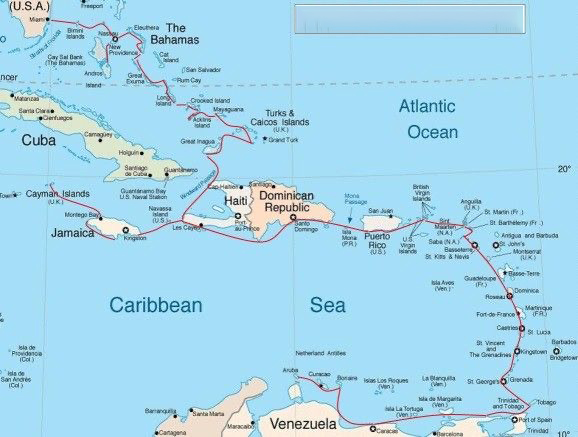
This route covers the Greater Antilles and northern Lesser Antilles. Core transshipment hubs include Kingston (Jamaica), Caucedo (Dominican Republic) and San Juan (Puerto Rico). Major ports: Rio Haina, Port-au-Prince, Freeport (Bahamas).
It mainly links the US East Coast, Canada and European ports with Hispaniola, Jamaica, Bahamas and surrounding islands. A large volume of consumer goods, foodstuff and reefer cargo flows on this lane. Numerous weekly liner services operate here, with frequent feeder vessels distributing cargo to smaller island terminals.
.jpg "Caribbean Sea Shipping Lanes (3).jpg")
Western Caribbean Shipping Lane
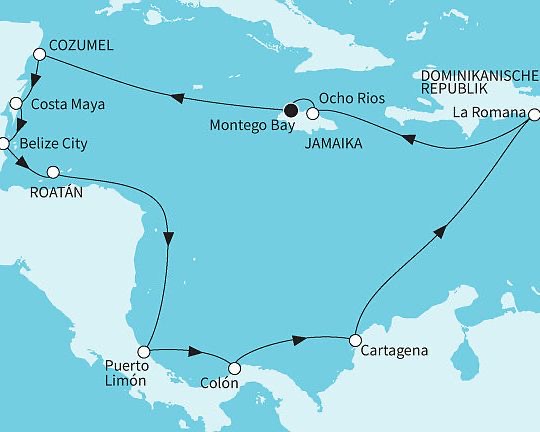
Stretching along Central America’s Caribbean coast, the backbone ports are Cartagena (Colombia), Manzanillo (Panama), Puerto Limón (Costa Rica). Other calling ports include Belize City and Puerto Cortés.
This lane forms the Atlantic gateway to the Panama Canal. It connects North America, Asia-Europe transpacific services with Central American markets. Many mother vessels transship containers at Cartagena and Manzanillo for further delivery to regional destinations. Key cargo includes agricultural produce, machinery and chemical products.
Southern Caribbean Shipping Lane
It serves the southern Lesser Antilles and the northern coast of South America. The primary hub is Point Lisas (Trinidad and Tobago), with ports including Willemstad (Curaçao), Georgetown (Guyana) and Paramaribo (Suriname).
Compared with east and west lanes, it has relatively fewer direct long-distance services; most cargo relies on transshipment via Kingston or Cartagena. Energy cargo, mineral resources and construction materials occupy a large proportion of trade volumes.
.jpg "Caribbean Sea Shipping Lanes (2).jpg")
Operational Features
The whole region adopts a typical hub-and-feeder model: large mother vessels berth at deep-water transshipment hubs, while small feeder ships carry containers to minor island ports.
The Atlantic hurricane season from June to November poses major risks to vessel schedules, possibly causing port congestion, route diversions and transit delays.
Major carriers offering Caribbean services include Maersk, CMA CGM, Hapag-Lloyd and MSC, providing regular weekly loops connecting North America, Europe and Asia with the Caribbean Basin.
The Caribbean Sea shipping network is a vital artery of inter-American maritime trade and a key approach to the Panama Canal. Geographically, it covers all island nations, Central American eastern coasts and northern South American littorals within the Caribbean Basin. Serving as a natural transit zone connecting the Atlantic Ocean and the Pacific Ocean, it handles massive containerized cargo, bulk goods, refrigerated products, breakbulk and petroleum shipments.
Commercial shipping services in the Caribbean are generally divided into three main segments: Eastern Caribbean, Western Caribbean and Southern Caribbean trade lanes, supported by a mature hub-and-feeder transport system.
Eastern Caribbean Shipping Lane
This route covers the Greater Antilles and northern Lesser Antilles. Core transshipment hubs include Kingston (Jamaica), Caucedo (Dominican Republic) and San Juan (Puerto Rico). Major ports: Rio Haina, Port-au-Prince, Freeport (Bahamas).
It mainly links the US East Coast, Canada and European ports with Hispaniola, Jamaica, Bahamas and surrounding islands. A large volume of consumer goods, foodstuff and reefer cargo flows on this lane. Numerous weekly liner services operate here, with frequent feeder vessels distributing cargo to smaller island terminals.
Western Caribbean Shipping Lane
Stretching along Central America’s Caribbean coast, the backbone ports are Cartagena (Colombia), Manzanillo (Panama), Puerto Limón (Costa Rica). Other calling ports include Belize City and Puerto Cortés.
This lane forms the Atlantic gateway to the Panama Canal. It connects North America, Asia-Europe transpacific services with Central American markets. Many mother vessels transship containers at Cartagena and Manzanillo for further delivery to regional destinations. Key cargo includes agricultural produce, machinery and chemical products.
Southern Caribbean Shipping Lane
It serves the southern Lesser Antilles and the northern coast of South America. The primary hub is Point Lisas (Trinidad and Tobago), with ports including Willemstad (Curaçao), Georgetown (Guyana) and Paramaribo (Suriname).
Compared with east and west lanes, it has relatively fewer direct long-distance services; most cargo relies on transshipment via Kingston or Cartagena. Energy cargo, mineral resources and construction materials occupy a large proportion of trade volumes.
Operational Features
The whole region adopts a typical hub-and-feeder model: large mother vessels berth at deep-water transshipment hubs, while small feeder ships carry containers to minor island ports.
The Atlantic hurricane season from June to November poses major risks to vessel schedules, possibly causing port congestion, route diversions and transit delays.
Major carriers offering Caribbean services include Maersk, CMA CGM, Hapag-Lloyd and MSC, providing regular weekly loops connecting North America, Europe and Asia with the Caribbean Basin.
Popular Articles


Categories
Share


The latest blogs and insights on what is happening in international transport and logistics.

The best freight forwarder in China who helps to optimize your global transportation with the best possible logistics solution.
