

RORO Ro-Ro (Roll-On/Roll-Off)
Definition
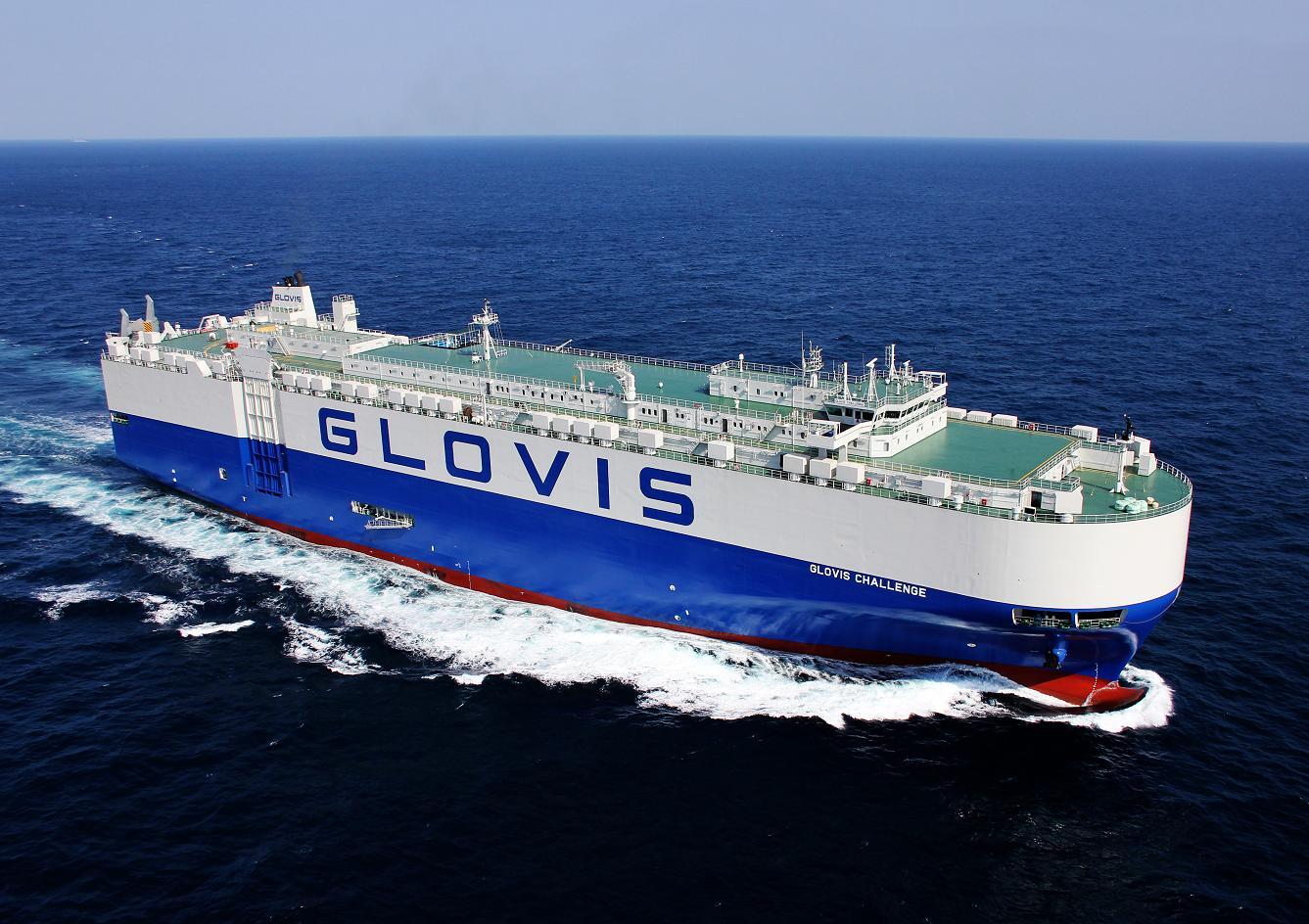
RORO Ro-Ro (Roll-On/Roll-Off) refers to a specialized method of cargo transportation using Ro-Ro ships. Ro-Ro ships are specifically designed vessels that allow vehicles or wheeled cargo to be driven directly onto and off the ship via ramps. This mode of transport is particularly suitable for automobiles, trucks, trailers, railway carriages, and large mechanical equipment.
Features of Ro-Ro Ships
- Multi-deck structure: Ro-Ro ships typically have multiple decks, with ramps or elevators connecting each deck to facilitate the movement of vehicles.
- No transverse bulkheads: The cargo holds are usually free of transverse bulkheads to allow vehicles to move freely within the ship.
- High loading and unloading efficiency: Ro-Ro ships do not require cranes for loading and unloading. Instead, vehicles or cargo are driven directly onto the ship via ramps. This results in high loading and unloading efficiency, with rates of up to 1,000–2,000 tons per hour.
- Versatility: Ro-Ro ships can transport a wide range of cargo types, including vehicles, containers, oversized and heavy cargo, and grouped cargo.
- Environmental friendliness: Due to the simplified loading and unloading process, Ro-Ro ships have shorter port stays and lower fuel consumption. They are considered a relatively environmentally friendly mode of transport.

Advantages of Ro-Ro Ships
- Convenient loading and unloading: Vehicles and cargo can be driven directly onto and off the ship, significantly reducing loading and unloading time and cost.
- High transport efficiency: Ro-Ro ships have high loading and unloading efficiency and fast vessel turnover, enabling “door-to-door” transport from the shipper to the consignee.
- Flexibility: Ro-Ro ships are highly adaptable to different types and sizes of cargo, making them suitable for transporting large or irregularly shaped goods.
- Low port requirements: Ro-Ro ships do not require large cranes or other specialized equipment at the port, allowing for efficient loading and unloading even at ports with limited facilities.
Limitations of Ro-Ro Ships
- Low cargo hold utilization: The need to reserve space for vehicle movement within the cargo hold means that Ro-Ro ships have relatively low cargo hold utilization.
- High construction cost: The design and construction of Ro-Ro ships are more complex and costly, resulting in higher shipbuilding costs.
- High center of gravity and poor stability: Ro-Ro ships have a higher center of gravity and fewer transverse bulkheads, which can lead to poorer stability and anti-sinking performance.
Applications
- Automobile transportation: Ro-Ro ships are commonly used for transporting automobiles, including passenger cars, trucks, and buses.
- Heavy machinery transportation: Ro-Ro ships are ideal for transporting large mechanical equipment such as construction machinery and agricultural machinery.
- Intermodal transport: Ro-Ro ships excel in intermodal transport, enabling seamless connections between water and land transport.
In summary, RORO Ro-Ro transportation is an efficient, flexible, and cost-effective mode of transport, particularly well-suited for large wheeled cargo and heavy machinery.

RORO Ro-Ro (Roll-On/Roll-Off)
Definition
RORO Ro-Ro (Roll-On/Roll-Off) refers to a specialized method of cargo transportation using Ro-Ro ships. Ro-Ro ships are specifically designed vessels that allow vehicles or wheeled cargo to be driven directly onto and off the ship via ramps. This mode of transport is particularly suitable for automobiles, trucks, trailers, railway carriages, and large mechanical equipment.
Features of Ro-Ro Ships
- Multi-deck structure: Ro-Ro ships typically have multiple decks, with ramps or elevators connecting each deck to facilitate the movement of vehicles.
- No transverse bulkheads: The cargo holds are usually free of transverse bulkheads to allow vehicles to move freely within the ship.
- High loading and unloading efficiency: Ro-Ro ships do not require cranes for loading and unloading. Instead, vehicles or cargo are driven directly onto the ship via ramps. This results in high loading and unloading efficiency, with rates of up to 1,000–2,000 tons per hour.
- Versatility: Ro-Ro ships can transport a wide range of cargo types, including vehicles, containers, oversized and heavy cargo, and grouped cargo.
- Environmental friendliness: Due to the simplified loading and unloading process, Ro-Ro ships have shorter port stays and lower fuel consumption. They are considered a relatively environmentally friendly mode of transport.

Advantages of Ro-Ro Ships
- Convenient loading and unloading: Vehicles and cargo can be driven directly onto and off the ship, significantly reducing loading and unloading time and cost.
- High transport efficiency: Ro-Ro ships have high loading and unloading efficiency and fast vessel turnover, enabling “door-to-door” transport from the shipper to the consignee.
- Flexibility: Ro-Ro ships are highly adaptable to different types and sizes of cargo, making them suitable for transporting large or irregularly shaped goods.
- Low port requirements: Ro-Ro ships do not require large cranes or other specialized equipment at the port, allowing for efficient loading and unloading even at ports with limited facilities.
Limitations of Ro-Ro Ships
- Low cargo hold utilization: The need to reserve space for vehicle movement within the cargo hold means that Ro-Ro ships have relatively low cargo hold utilization.
- High construction cost: The design and construction of Ro-Ro ships are more complex and costly, resulting in higher shipbuilding costs.
- High center of gravity and poor stability: Ro-Ro ships have a higher center of gravity and fewer transverse bulkheads, which can lead to poorer stability and anti-sinking performance.
Applications
- Automobile transportation: Ro-Ro ships are commonly used for transporting automobiles, including passenger cars, trucks, and buses.
- Heavy machinery transportation: Ro-Ro ships are ideal for transporting large mechanical equipment such as construction machinery and agricultural machinery.
- Intermodal transport: Ro-Ro ships excel in intermodal transport, enabling seamless connections between water and land transport.
In summary, RORO Ro-Ro transportation is an efficient, flexible, and cost-effective mode of transport, particularly well-suited for large wheeled cargo and heavy machinery.
Popular Articles


Categories
Share


The latest blogs and insights on what is happening in international transport and logistics.

The best freight forwarder in China who helps to optimize your global transportation with the best possible logistics solution.
