
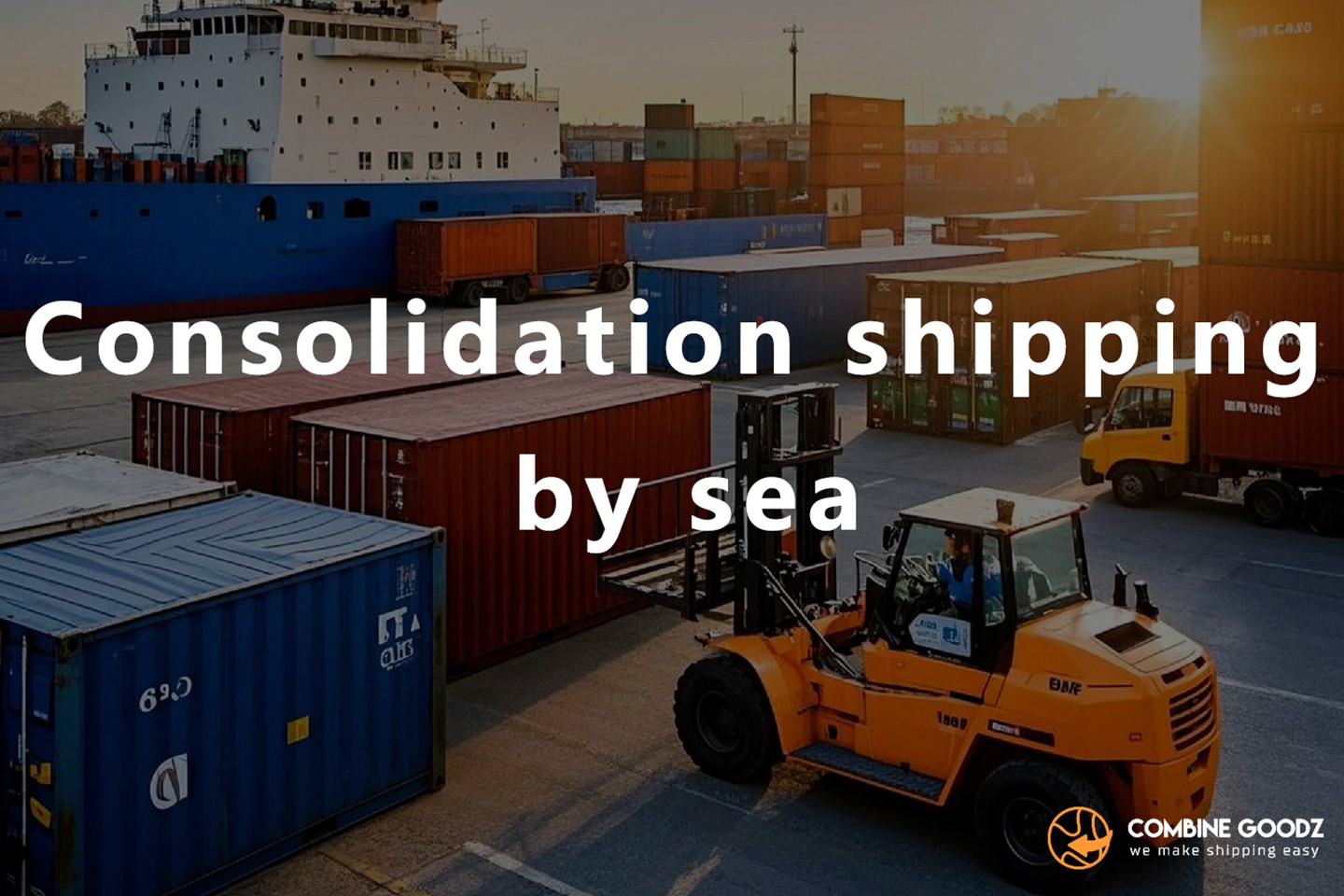
Consolidation shipping by sea refers to the process of gathering small consignments or small-batch goods from different shippers at a consolidation center or warehouse. These goods are then sorted, packaged, and loaded into containers for transportation by sea. This mode of transportation typically involves multiple shippers and destinations. Upon arrival at the destination, the goods are cleared through customs and distributed by local agents.
Functions
- Cost Reduction: By consolidating multiple small consignments for transportation, economies of scale can be achieved, thereby reducing the transportation cost per unit of goods.
- Increased Efficiency: Reducing the number of individual shipments and optimizing transportation routes and schedules can accelerate the turnover of goods.
- Reduced Empty Running: Optimizing the utilization of vessels and transportation vehicles helps to avoid empty runs and improves transportation efficiency.
- Simplified Operations: Centralized handling of goods allows for more efficient sorting, packaging, and loading, reducing the complexity of the transportation process.
- Support for Multimodal Transport: Consolidation shipping by sea can be combined with other modes of transportation, such as road, rail, and air, to provide door-to-door services.
Importance
1. Promoting International Trade: Consolidation shipping by sea enables the transportation of goods from multiple shippers at a lower cost, making it more accessible for small and medium-sized enterprises to engage in international trade.
2. Enhancing Logistics Efficiency: By centralizing and consolidating shipments, the number of stops and handling times during transportation can be reduced, thereby improving overall logistics efficiency.
3. Increasing Supply Chain Flexibility: Consolidation shipping allows for flexible adjustments to the consolidation and transportation plans according to market demand, enabling a quick response to market changes.
4. Supporting Cross-Border E-commerce: In the field of cross-border e-commerce, consolidation shipping can gather multiple consumer orders, process them centrally, and then ship them collectively, significantly reducing logistics costs.
5. Reducing Environmental Impact: By reducing the number of transportation trips and optimizing routes, consolidation shipping helps to lower carbon emissions, aligning with the requirements of sustainable development.
In summary, consolidation shipping by sea optimizes the handling and transportation of goods through centralized processes. It not only reduces transportation costs and enhances logistics efficiency but also increases the flexibility and competitiveness of the supply chain. It is an essential component of modern international trade and logistics.
Popular Articles


Categories
Share


The latest blogs and insights on what is happening in international transport and logistics.

The best freight forwarder in China who helps to optimize your global transportation with the best possible logistics solution.
