
-900.jpg "Major Shipping Ports of El Salvador (2)-900.jpg")
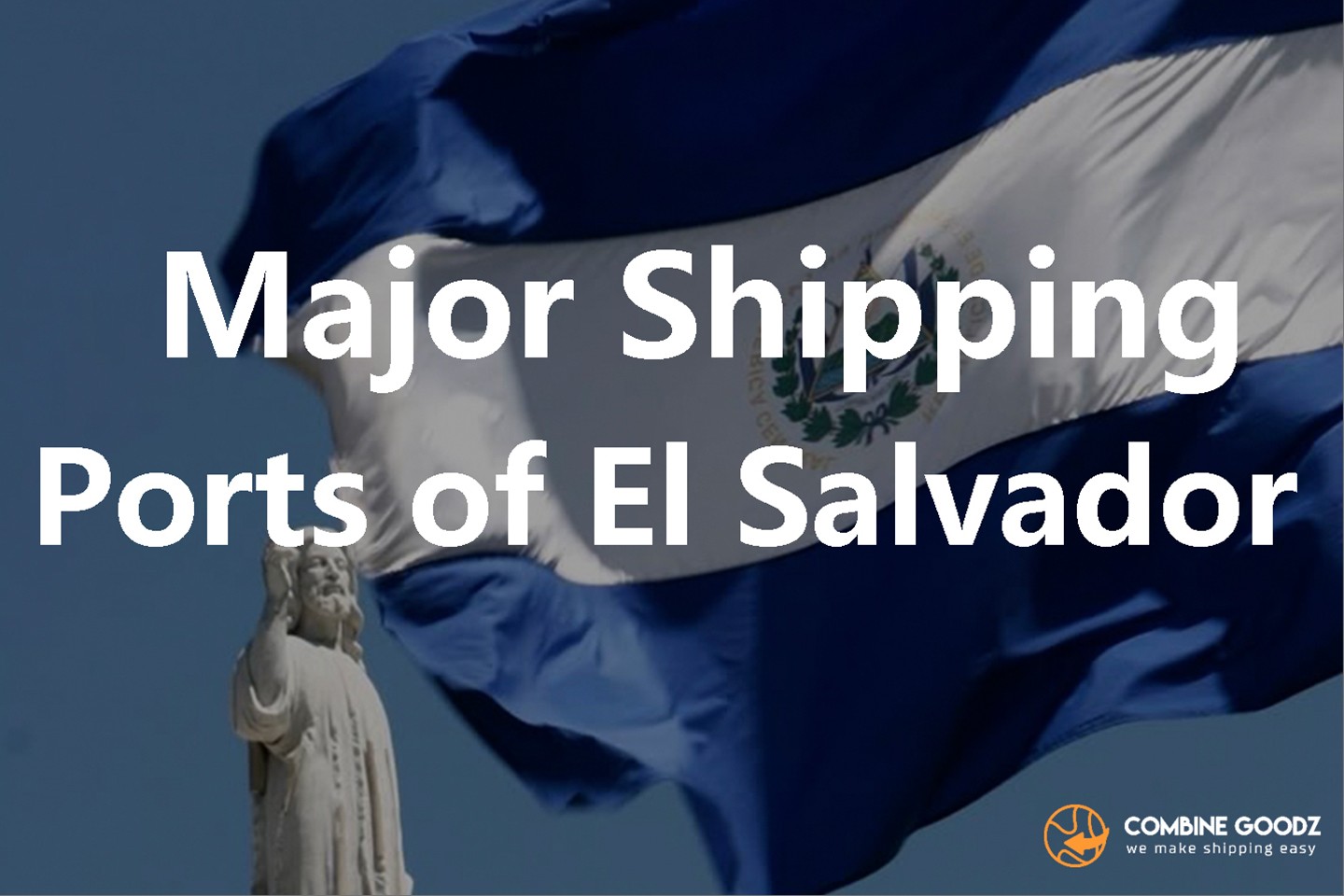
El Salvador lies on the Pacific coast of Central America. Its maritime trade mainly relies on two core commercial seaports: Port of Acajutla and Port of La Unión. Smaller coastal terminals only handle limited local cargo and are not served by regular international liner services.
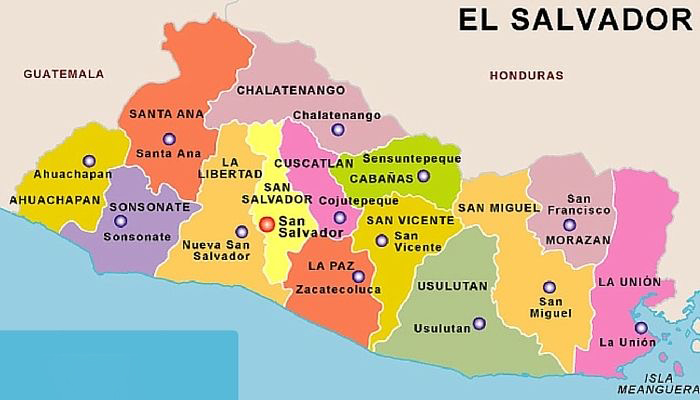
Located in Sonsonate Department on the western Pacific coast, Acajutla is El Salvador’s primary deep-water multi-purpose port and the main gateway for national foreign trade. It is around 85 kilometres from the capital San Salvador.
The port features multiple berths with a maximum operational draft of 12 metres. Facilities include container handling equipment, bulk cargo terminals, grain storage, reefer power supplies and dedicated liquid bulk pipelines for petroleum products.
Major cargo includes export commodities such as coffee, sugar, textiles and balsam; imports cover machinery, electronics, cement, fertilizers, fuel and general consumer goods. Several global carriers operate regular Pacific liner services calling here. Linked directly to the Pan-American Highway, it provides convenient inland distribution to the whole country. Currently, large-scale modernisation works are underway to expand berth length and improve handling efficiency.
.jpg "Major Shipping Ports of El Salvador (3).jpg")
Situated in the southeast of El Salvador on the Gulf of Fonseca, Port of La Unión serves the eastern region and cross-border trade with Honduras and Nicaragua.
The current channel draft is 8.7 metres, with a dredging plan to raise the depth to 10.5 metres to accommodate larger vessels. It focuses on ro-ro cargo, vehicles, construction materials, cement and bulk agricultural supplies. In recent years, cargo throughput has maintained steady growth.
Geographically, it acts as a regional distribution hub for eastern Central America. Compared with Acajutla, it receives fewer long-distance mainline services and depends more on regional feeder connections.
There is no regular deep-water container port on El Salvador’s Caribbean side. All international ocean freight passes through its Pacific ports. Many shipments to and from El Salvador connect via transshipment hubs along the Pacific trade lanes.
El Salvador lies on the Pacific coast of Central America. Its maritime trade mainly relies on two core commercial seaports: Port of Acajutla and Port of La Unión. Smaller coastal terminals only handle limited local cargo and are not served by regular international liner services.
Located in Sonsonate Department on the western Pacific coast, Acajutla is El Salvador’s primary deep-water multi-purpose port and the main gateway for national foreign trade. It is around 85 kilometres from the capital San Salvador.
The port features multiple berths with a maximum operational draft of 12 metres. Facilities include container handling equipment, bulk cargo terminals, grain storage, reefer power supplies and dedicated liquid bulk pipelines for petroleum products.
Major cargo includes export commodities such as coffee, sugar, textiles and balsam; imports cover machinery, electronics, cement, fertilizers, fuel and general consumer goods. Several global carriers operate regular Pacific liner services calling here. Linked directly to the Pan-American Highway, it provides convenient inland distribution to the whole country. Currently, large-scale modernisation works are underway to expand berth length and improve handling efficiency.
Situated in the southeast of El Salvador on the Gulf of Fonseca, Port of La Unión serves the eastern region and cross-border trade with Honduras and Nicaragua.
The current channel draft is 8.7 metres, with a dredging plan to raise the depth to 10.5 metres to accommodate larger vessels. It focuses on ro-ro cargo, vehicles, construction materials, cement and bulk agricultural supplies. In recent years, cargo throughput has maintained steady growth.
Geographically, it acts as a regional distribution hub for eastern Central America. Compared with Acajutla, it receives fewer long-distance mainline services and depends more on regional feeder connections.
There is no regular deep-water container port on El Salvador’s Caribbean side. All international ocean freight passes through its Pacific ports. Many shipments to and from El Salvador connect via transshipment hubs along the Pacific trade lanes.
Popular Articles

Categories
Share


The latest blogs and insights on what is happening in international transport and logistics.

The best freight forwarder in China who helps to optimize your global transportation with the best possible logistics solution.
