
-900.jpg "Major Shipping Ports of Barbados (1)-900.jpg")
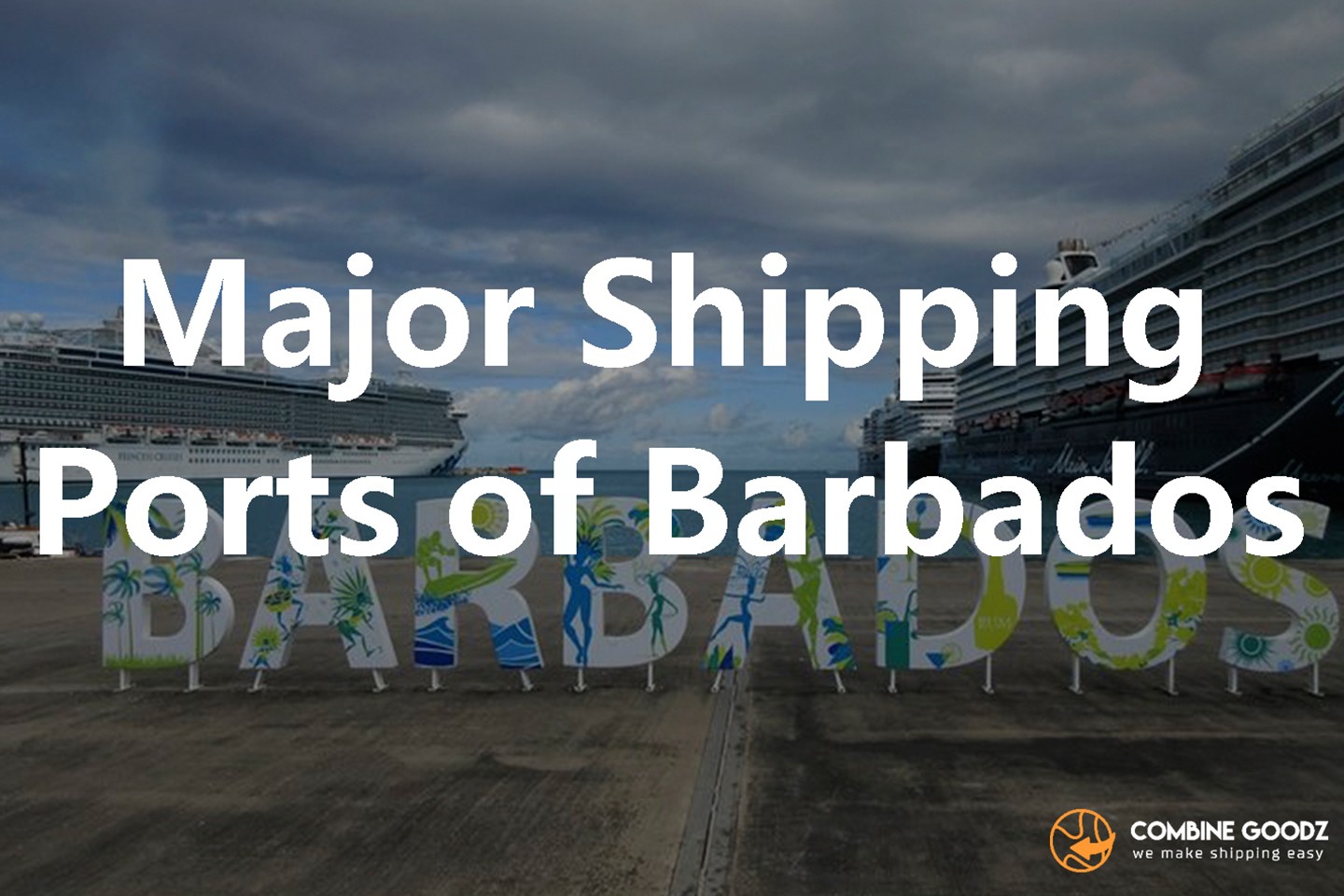
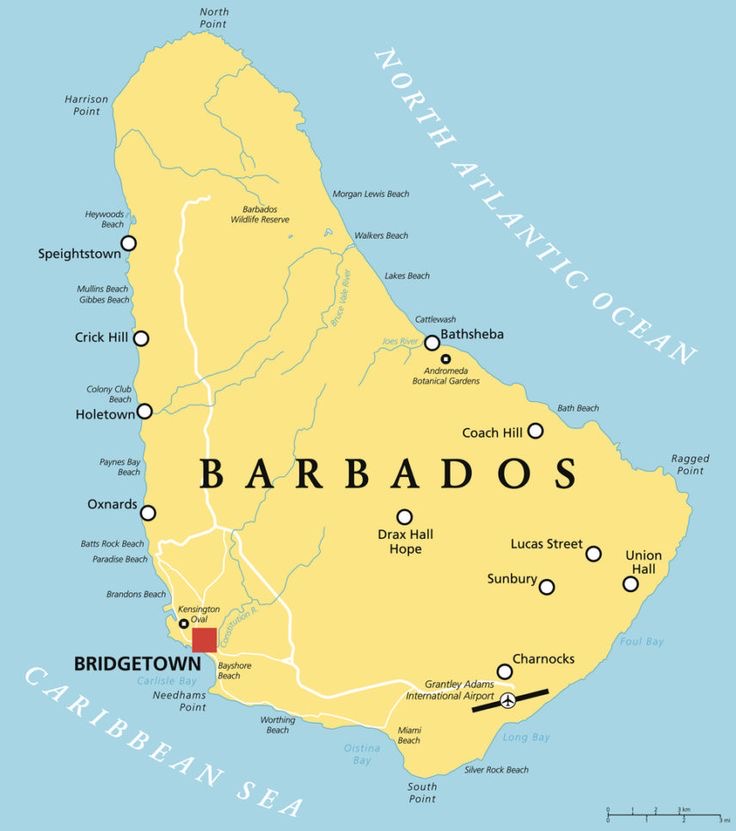
Barbados is an eastern Caribbean island nation. Port of Bridgetown (UN/LOCODE: BBBGI) is the country’s only major commercial seaport, located at Carlisle Bay on the southwest coast, within the capital Bridgetown. It is managed by Barbados Port Inc. and handles approximately 90% of the nation’s import and export cargo.
The port operates as a multi-purpose deep-water harbour with separated cargo terminals and cruise terminals. It features multiple berths for containers, general cargo, dry bulk, liquid bulk and ro-ro vessels. The maximum operational draft reaches 9.6–11.6 metres, enabling berthing of medium-sized container ships, bulk carriers and tankers. The newly built Berth 6 is equipped with modern ship-to-shore cranes and expanded container stacking yards to lift overall handling capacity.
.jpg "Major Shipping Ports of Barbados (2).jpg")
Available facilities include container gantry cranes, mobile harbour cranes, reefer power points, covered warehouses, open storage yards and dedicated pipelines for petroleum and molasses. Major cargo types cover consumer goods, foodstuffs, construction materials, machinery, cement, grain, refined fuels and agricultural exports such as sugar.
Regular liner and feeder services connect Bridgetown with North America, Europe, South America and neighbouring Windward and Leeward Islands. Most intercontinental cargo requires transshipment via large regional hubs before reaching Barbados. Although the port receives numerous cruise vessels, cruise operations are managed separately from freight handling.
There are no other sizable international cargo ports across Barbados. All seaborne trade relies entirely on Bridgetown. The island lies within the hurricane zone, so vessel schedules may face occasional disruptions during the June–November hurricane season.
Barbados is an eastern Caribbean island nation. Port of Bridgetown (UN/LOCODE: BBBGI) is the country’s only major commercial seaport, located at Carlisle Bay on the southwest coast, within the capital Bridgetown. It is managed by Barbados Port Inc. and handles approximately 90% of the nation’s import and export cargo.
The port operates as a multi-purpose deep-water harbour with separated cargo terminals and cruise terminals. It features multiple berths for containers, general cargo, dry bulk, liquid bulk and ro-ro vessels. The maximum operational draft reaches 9.6–11.6 metres, enabling berthing of medium-sized container ships, bulk carriers and tankers. The newly built Berth 6 is equipped with modern ship-to-shore cranes and expanded container stacking yards to lift overall handling capacity.
Available facilities include container gantry cranes, mobile harbour cranes, reefer power points, covered warehouses, open storage yards and dedicated pipelines for petroleum and molasses. Major cargo types cover consumer goods, foodstuffs, construction materials, machinery, cement, grain, refined fuels and agricultural exports such as sugar.
Regular liner and feeder services connect Bridgetown with North America, Europe, South America and neighbouring Windward and Leeward Islands. Most intercontinental cargo requires transshipment via large regional hubs before reaching Barbados. Although the port receives numerous cruise vessels, cruise operations are managed separately from freight handling.
There are no other sizable international cargo ports across Barbados. All seaborne trade relies entirely on Bridgetown. The island lies within the hurricane zone, so vessel schedules may face occasional disruptions during the June–November hurricane season.
Popular Articles


Categories
Share


The latest blogs and insights on what is happening in international transport and logistics.

The best freight forwarder in China who helps to optimize your global transportation with the best possible logistics solution.
