
Shipping from China to Singapore is a common route with several options available, depending on your needs for speed, cost, and reliability. Here’s a breakdown of the main shipping methods:
Best for: Small parcels, urgent shipments (2–5 days).
Pros: Fast, reliable, door-to-door service with tracking.
Cons: Expensive for heavy/large items.
Estimated Cost: ~$20–$100+ (varies by weight/size).
Best for: Medium to large shipments (5–10 days).
Pros: Faster than sea freight, good for time-sensitive cargo.
Cons: More expensive than sea freight.
Estimated Cost: ~$5–$15/kg (depends on volume).
Best for: Large, heavy, or non-urgent shipments (10–25 days).
Pros: Cheaper for bulky goods, suitable for commercial imports.
Cons: Slower, requires customs clearance.
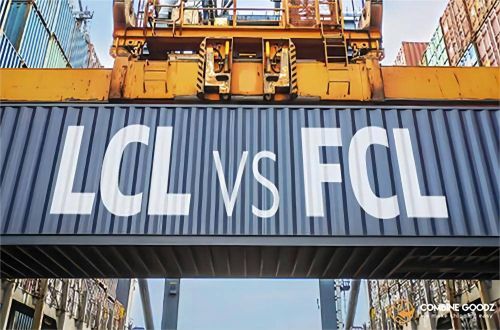
Estimated Cost (LCL): ~$100–$500 per cubic meter (CBM).
Estimated Cost (FCL): ~$1,000–$3,000 (20ft/40ft container).
Best for: Moderate-sized shipments (7–15 days).
Pros: Faster than sea, cheaper than air.
Cons: Limited routes, requires last-mile trucking.
Estimated Cost: ~$3–$8/kg.
Best for: Small, low-cost items (10–30 days).
Pros: Affordable, simple for small parcels.
Cons: Slow, limited tracking.
Estimated Cost: ~$5–$30 (depending on weight).
Customs & Duties: Singapore has low import taxes, but proper documentation (invoice, packing list) is required.
Insurance: Recommended for high-value shipments.
Freight Forwarders: Companies like Alibaba Logistics, Flexport, or local agents can help with door-to-door shipping.
For speed: Use express couriers (DHL/FedEx).
For cost (small items): ePacket/China Post.
For bulk shipments: Sea freight (LCL/FCL).
Shipping from China to Singapore is a common route with several options available, depending on your needs for speed, cost, and reliability. Here’s a breakdown of the main shipping methods:
Best for: Small parcels, urgent shipments (2–5 days).
Pros: Fast, reliable, door-to-door service with tracking.
Cons: Expensive for heavy/large items.
Estimated Cost: ~$20–$100+ (varies by weight/size).
Best for: Medium to large shipments (5–10 days).
Pros: Faster than sea freight, good for time-sensitive cargo.
Cons: More expensive than sea freight.
Estimated Cost: ~$5–$15/kg (depends on volume).
Best for: Large, heavy, or non-urgent shipments (10–25 days).
Pros: Cheaper for bulky goods, suitable for commercial imports.
Cons: Slower, requires customs clearance.
Estimated Cost (LCL): ~$100–$500 per cubic meter (CBM).
Estimated Cost (FCL): ~$1,000–$3,000 (20ft/40ft container).
Best for: Moderate-sized shipments (7–15 days).
Pros: Faster than sea, cheaper than air.
Cons: Limited routes, requires last-mile trucking.
Estimated Cost: ~$3–$8/kg.
Best for: Small, low-cost items (10–30 days).
Pros: Affordable, simple for small parcels.
Cons: Slow, limited tracking.
Estimated Cost: ~$5–$30 (depending on weight).
Customs & Duties: Singapore has low import taxes, but proper documentation (invoice, packing list) is required.
Insurance: Recommended for high-value shipments.
Freight Forwarders: Companies like Alibaba Logistics, Flexport, or local agents can help with door-to-door shipping.
For speed: Use express couriers (DHL/FedEx).
For cost (small items): ePacket/China Post.
For bulk shipments: Sea freight (LCL/FCL).
Popular Articles

Categories
Share


The latest blogs and insights on what is happening in international transport and logistics.

The best freight forwarder in China who helps to optimize your global transportation with the best possible logistics solution.
